<>
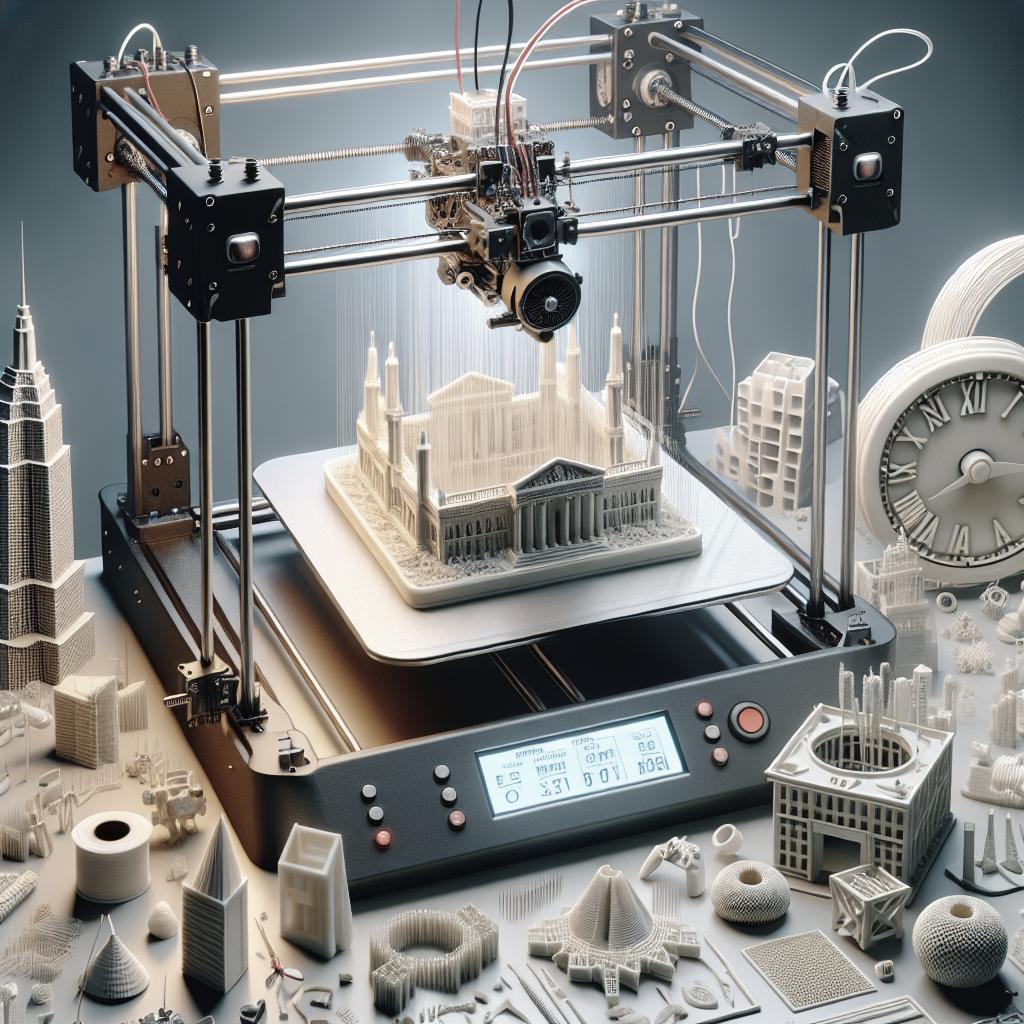
Vat photopolymerization sounds incredibly complex, but it’s one of the essential processes that powers the world of 3D printing. This blog post will delve deep into what vat photopolymerization is, how it works, its various types, and its applications. We will discuss the pros and cons of this revolutionary technology, spotlight key techniques like Stereolithography (SLA) and Direct Light Processing (DLP), and compare them to other methods such as Selective Laser Sintering (SLS). For those looking to expand their knowledge and skills in 3D printing technology, we also provide a list of recommended references.
What is Vat Photopolymerization?
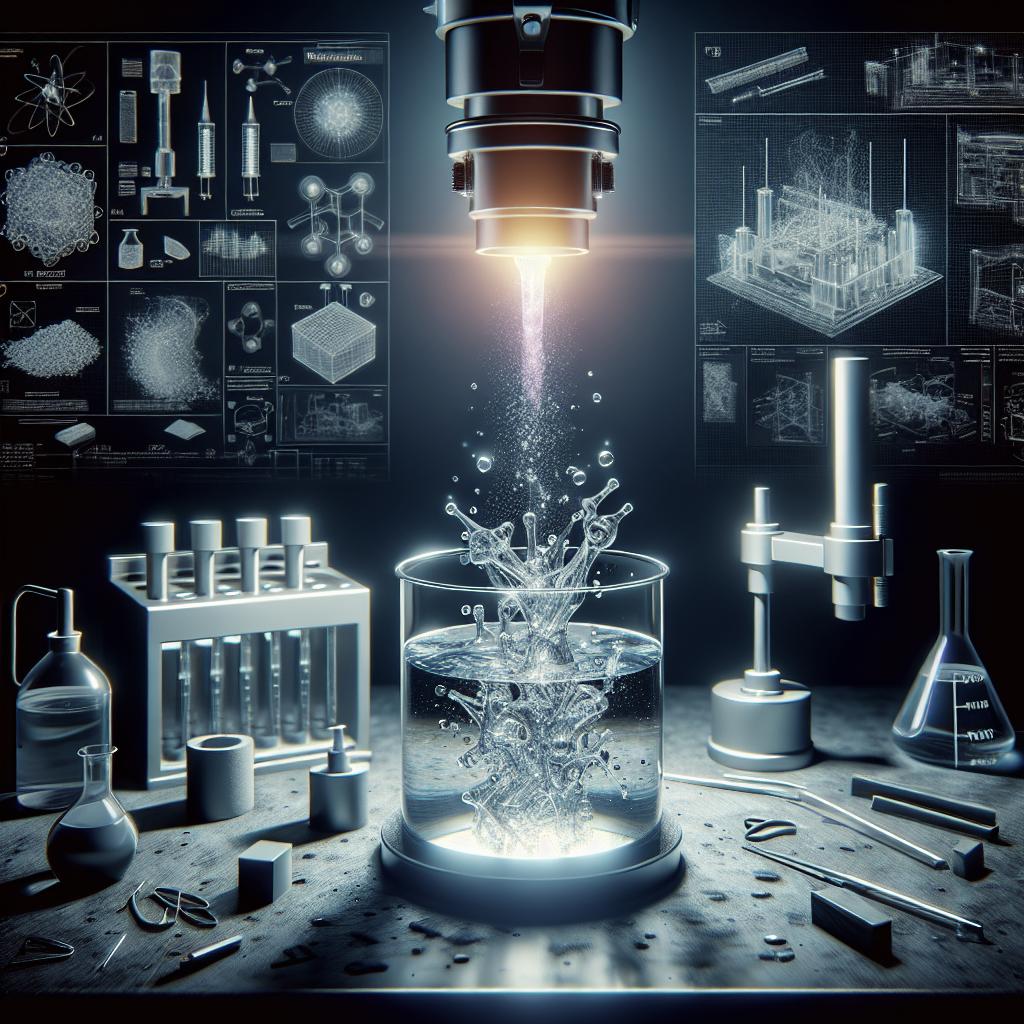
Vat photopolymerization is a 3D printing process that uses light to cure a liquid photopolymer resin layer by layer, creating a three-dimensional object. It’s a type of additive manufacturing because it builds objects by adding material layer by layer, as opposed to subtractive manufacturing, which removes material to shape an object. This technology relies on photopolymerization, a chemical reaction in which light is used to join small molecules together to form a polymer. The light source can be a laser or a digital projector, depending on the specific type of vat photopolymerization being used.
How does Vat Photopolymerization work?
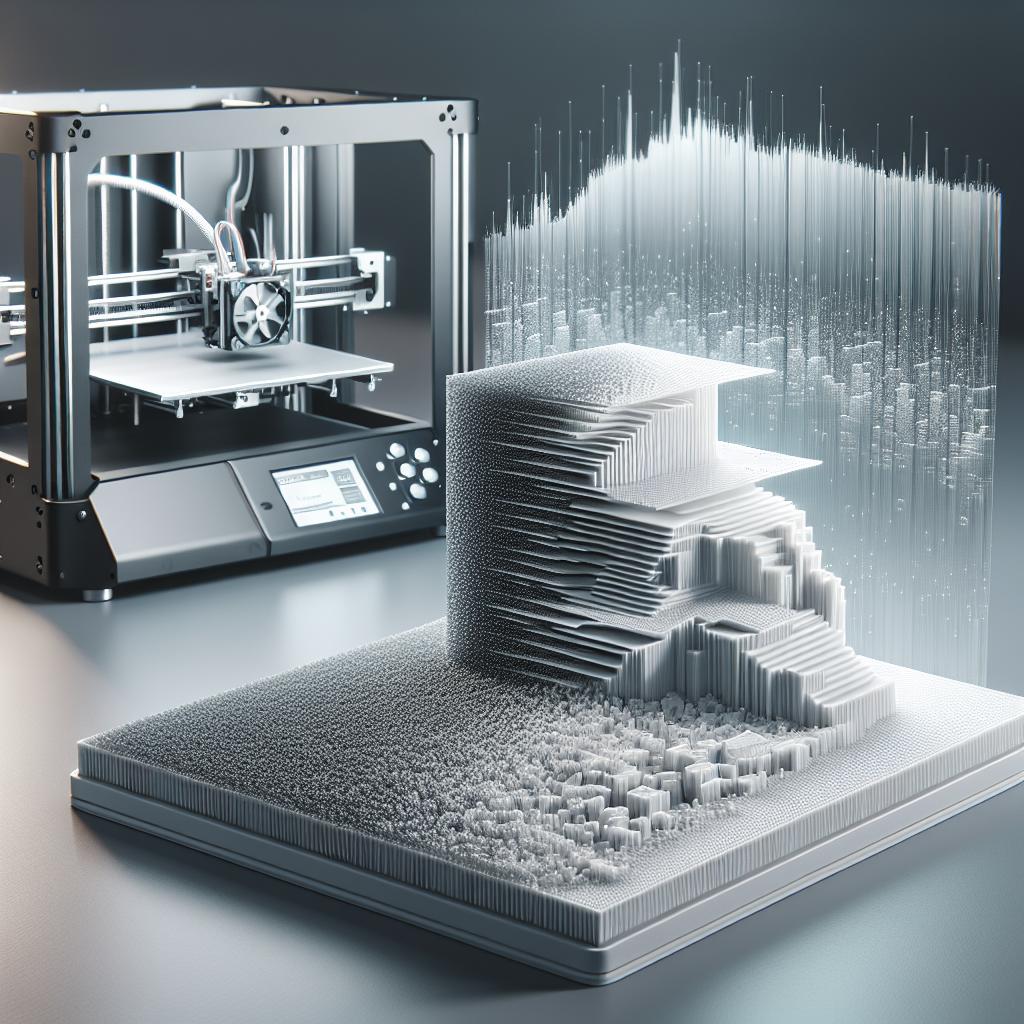
Vat photopolymerization begins with a vat of liquid photopolymer resin, which hardens when exposed to a specific light source. A light source like a laser or projector selectively cures the resin layer by layer according to the object’s design, guided by a digital model. A build platform is submerged in the resin, and the light source traces each layer of the object in the resin, hardening it. Once a layer is cured, the platform moves slightly higher, and the process repeats until the final object is fully formed. Excess resin can be drained away and reused, making it a relatively efficient process.
Vat Photopolymerization Types
The main types of vat photopolymerization are Stereolithography (SLA) and Digital Light Processing (DLP). Both employ a similar basic mechanism but differ in how they deliver light to cure the resin. SLA uses a UV laser to cure the resin, tracing the outline of each layer one point at a time. In contrast, DLP uses a digital projector to flash each entire layer at once, allowing for faster printing times. A newer variation, Continuous Direct Light Processing (CDLP), further speeds up the process by allowing continuous flow and curing of resin.
Vat Photopolymerization Applications
Vat photopolymerization finds applications in various fields due to its precision and ability to create complex geometries. In the medical field, it is used for creating custom prosthetics and dental devices. Its high resolution is perfect for intricate jewelry designs and detailed consumer goods. In the industrial sector, vat photopolymerization is used for rapid prototyping and manufacturing small, complex parts. Artists and designers also leverage this technology to produce intricate, high-quality models and sculptures.
Advantages and Disadvantages of Vat Photopolymerization
Advantages of Vat Photopolymerization
Vat photopolymerization offers high precision and excellent surface finish, making it ideal for applications requiring intricate details. The ability to use different types of photopolymer resins allows for versatility in material properties, from rigid to flexible. Additionally, the process is relatively fast, especially when using techniques like DLP and CDLP. The layer-by-layer approach means less material waste, and excess resin can often be recycled for future projects.
Disadvantages of Vat Photopolymerization
Despite its benefits, vat photopolymerization has some downsides. The primary drawback is the cost of the photopolymer resins, which can be significantly higher than materials used in other 3D printing methods. Also, the process can be limited by the resin vat’s size, restricting the printable object’s dimensions. Post-processing is often required to remove support structures and excess resin, adding time and complexity. The cured resins can also be brittle, limiting their use in high-stress applications.
Stereolithography (SLA)
What is Stereolithography (SLA)?
Stereolithography, commonly known as SLA, was the first 3D printing technology to be developed and commercialized. It uses a UV laser to cure a photosensitive resin, creating objects layer by layer with highly detailed precision. SLA is widely used for creating detailed models, prototypes, and parts with smooth surfaces. Its capability for high resolution and fine details makes it a preferred choice for industries ranging from healthcare to consumer products.
How does Stereolithography (SLA) work?
The SLA process begins with a digital 3D model, which is sliced into thin layers. A build platform is submerged in a vat of liquid photopolymer resin to a depth corresponding to the thickness of a single layer. The UV laser traces the shape of the object’s layer, curing the resin. After a layer is cured, the platform moves up slightly, and the next layer is traced and cured. This process is repeated until the entire object is formed. Excess resin drains away, and post-processing steps such as washing and UV curing may be required to finalize the object.
Advantages and Disadvantages of Stereolithography
SLA offers high accuracy and excellent surface finish, making it ideal for detailed prototypes and models. The technology supports a wide range of photopolymer resins, allowing for versatility in material properties. However, SLA has its limitations. The cost of the resin and the necessary post-processing can increase the overall expense. The technology is also generally slower than some other 3D printing methods, especially for larger objects.
Stereolithography Materials
Materials used in SLA include a variety of photopolymer resins with different properties, such as rigidity, flexibility, and transparency. Some resins are specially formulated for high-temperature resistance or biocompatibility, expanding the technology’s application range. Flexible resins are ideal for creating objects that require bending, while high-temperature resins can withstand heat, making them suitable for engineering applications. The choice of resin can significantly impact the final object’s properties, so it’s crucial to select the right material for the intended use.
Direct Light Processing 3D Printing
What is Digital Light Processing 3D Printing?
Digital Light Processing (DLP) is another vat photopolymerization technique that uses a digital light projector to cure photopolymer resin. Unlike SLA, which uses a laser to trace each layer, DLP cures entire layers at once, speeding up the printing process. DLP is widely used for creating detailed and complex parts, offering high speed and precision. It is particularly beneficial for applications requiring high throughput and fine detail, like dental models and small industrial components.
How Does a DLP 3D Printer Work?
The DLP process also starts with a digital 3D model. The build platform is submerged in a vat of liquid photopolymer resin, but instead of a laser, a digital light projector shines light onto the resin. The projector displays the entire layer pattern at once, curing the resin. After a layer is cured, the platform moves slightly upward, and the process is repeated layer by layer. Because DLP cures entire layers simultaneously, it can achieve faster print times compared to SLA.
Pros of Direct Light Processing (DLP)
One of the main advantages of DLP is its speed. By curing entire layers at once, DLP can produce objects more quickly than SLA. The technology also maintains high precision and excellent surface finish, suitable for detailed parts. DLP is versatile in materials, supporting a range of photopolymer resins with different properties. This allows for a wide variety of applications, from dental to industrial uses. The efficiency and speed make DLP a cost-effective option for high-throughput production.
Cons of Direct Light Processing (DLP)
Despite its advantages, DLP has some drawbacks. The photopolymer resins can be expensive, and the process may still require post-processing steps. Additionally, the build volume is often limited by the projector’s size, restricting the maximum dimensions of printable objects. DLP printed objects can also be brittle, similar to those produced by SLA. The technology might not be suitable for applications requiring high durability and strength.
Continuous Direct Light Processing (CDLP)
Continuous Direct Light Processing (CDLP) is an advanced variation of DLP that allows for continuous printing. Instead of stopping after each layer, CDLP employs a continuous flow of resin and consistently cures it using a projector. This continuous approach significantly reduces printing time while maintaining the high resolution and surface quality DLP is known for. CDLP is especially suited for industrial applications where speed and efficiency are critical.
SLA vs SLS
While SLA (Stereolithography) and SLS (Selective Laser Sintering) are both 3D printing technologies, they operate on different principles and have unique advantages. SLA uses a UV laser to cure liquid resin, ideal for detailed and smooth-surfaced objects. On the other hand, SLS uses a laser to fuse powdered material layer by layer, producing highly durable objects suitable for functional prototypes and end-use parts. SLS is typically faster and can handle larger builds, but it lacks the fine detail and surface finish that SLA offers.
Recommended References
1. 3D Hubs: A comprehensive guide to 3D printing technologies, including vat photopolymerization. 2. Formlabs: An industry leader in SLA 3D printing with in-depth resources and case studies. 3. Shapeways: Provides articles and tutorials on various 3D printing methods, including DLP and SLA. 4. Makezine: General 3D printing news and how-tos, with sections on vat photopolymerization. 5. Wikipedia: Detailed entries on 3D printing technologies and material properties. Next steps “`
| Section | Summary |
|---|---|
| What is Vat Photopolymerization? | An introduction to the 3D printing process using light to cure photopolymer resin. |
| How does Vat Photopolymerization work? | A detailed explanation of the step-by-step process, from resin curing to object finalization. |
| Vat Photopolymerization Types | An overview of key types like SLA, DLP, and CDLP, highlighting their mechanisms. |
| Vat Photopolymerization Applications | Applications across various industries including healthcare, industrial, and creative sectors. |
| Advantages and Disadvantages of Vat Photopolymerization | Breakdown of the pros and cons, crystalizing factors like precision, cost, and material versatility. |
| Stereolithography (SLA) | In-depth look into SLA, its workings, materials, and pros and cons. |
| Direct Light Processing 3D Printing | A thorough discussion on DLP, its speed, precision, and suitability for various applications. |
| Continuous Direct Light Processing (CDLP) | An explanation of how CDLP works and its enhanced speed for industrial needs. |
| SLA vs SLS | Comparative analysis of SLA and SLS, focusing on their unique mechanisms and applications. |
| Recommended References | Lists valuable resources for further reading and understanding of vat photopolymerization. |
“` By understanding the intricate details and nuances of vat photopolymerization, you can better appreciate its transformative impact on industries ranging from healthcare to manufacturing. With advancements like CDLP pushing the boundaries, the future of 3D printing looks promising and full of potential.