< lang="en">
Manufacturing industries are constantly seeking innovative ways to minimize waste and enhance efficiency. One promising technology is 3D printing, or additive manufacturing, which contrasts sharply with traditional subtractive manufacturing methods. This blog post explores how 3D printing can potentially reduce material recycling needs, lower material waste, and offer unparalleled flexibility in product design. We will dive deeper into these aspects to evaluate the potential of 3D printing in creating a more sustainable manufacturing ecosystem. Future prospects could guide us towards more environmentally-friendly and efficient production cycles.
Additive Manufacturing vs. Subtractive Manufacturing
In traditional subtractive manufacturing, material is removed from a solid block through cutting, drilling, milling, or machining to create the desired part. This process often results in significant waste as excess material is removed and discarded. While subtractive methods have been the cornerstone of manufacturing for decades, they can be inefficient and environmentally taxing.
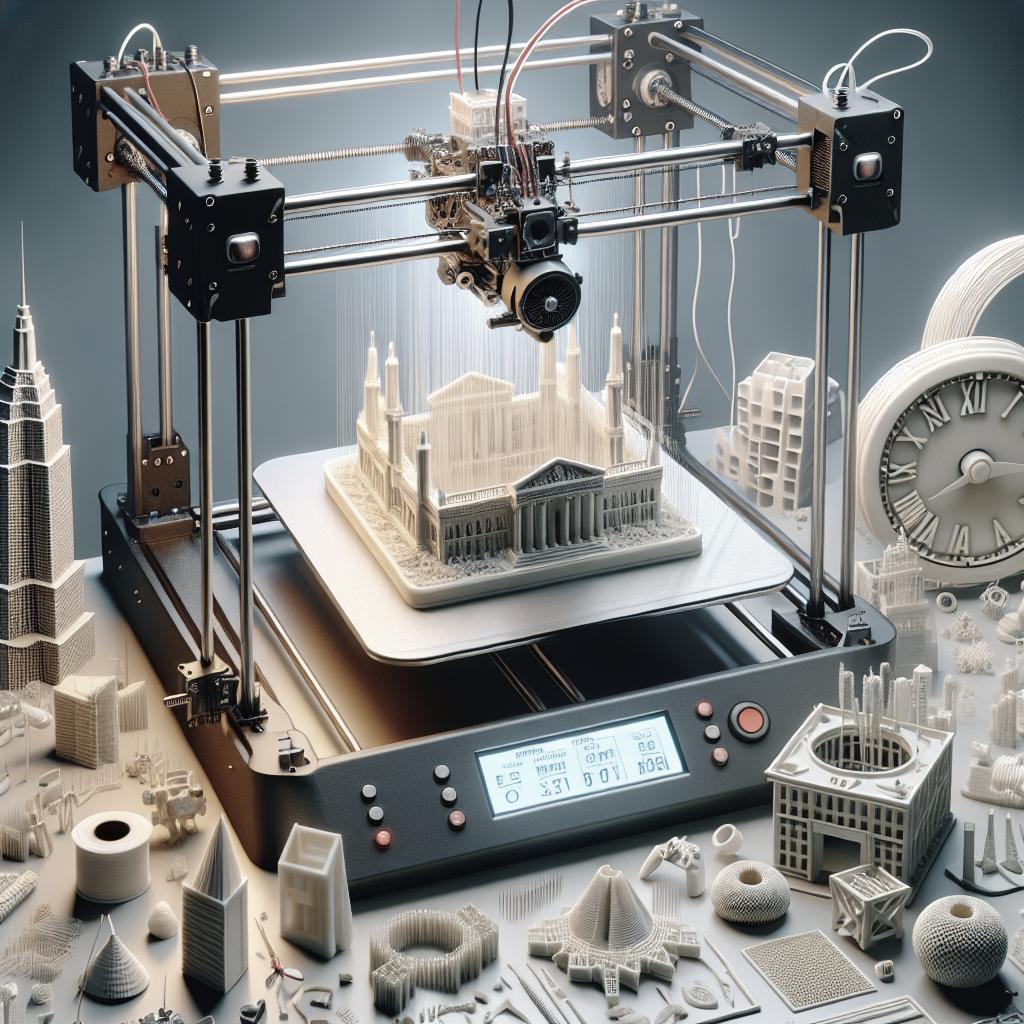
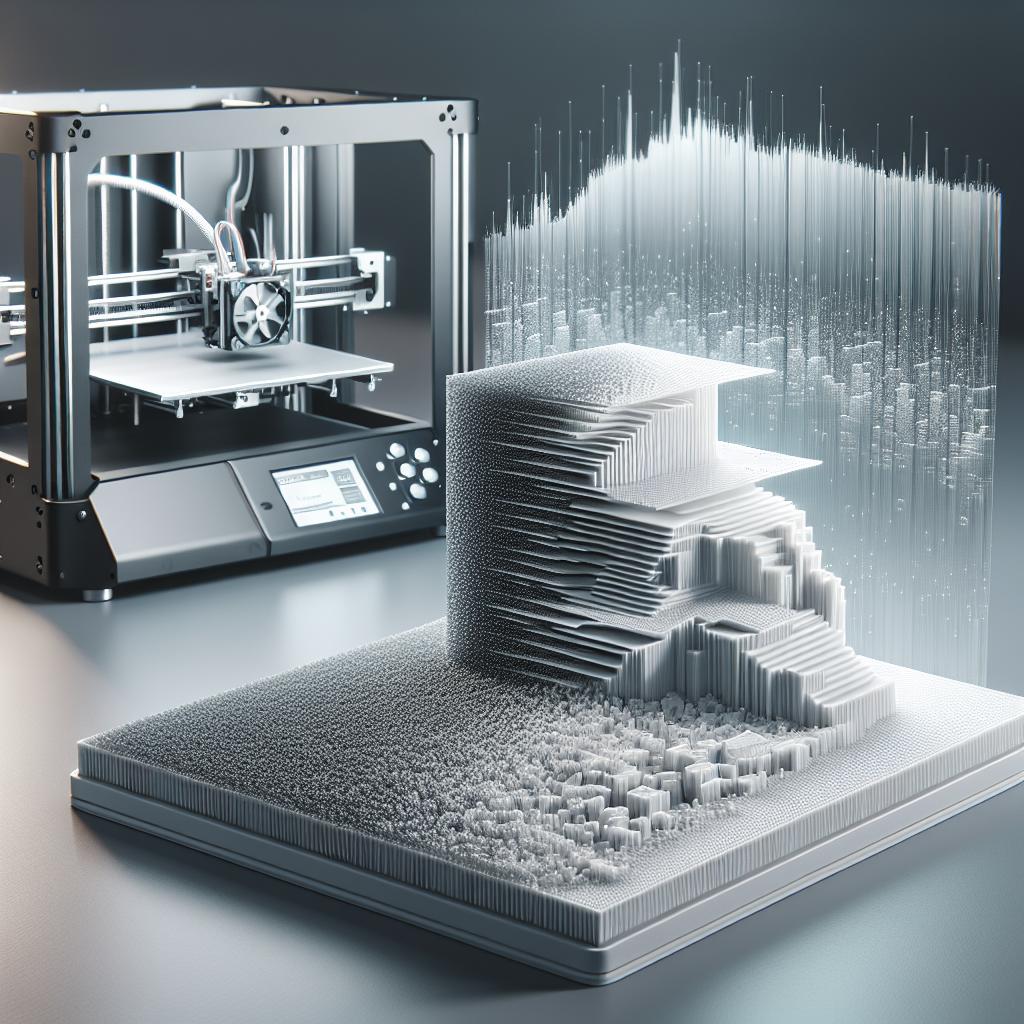
Conversely, additive manufacturing, commonly known as 3D printing, builds objects layer by layer from raw materials. By adding only what is needed, this technology significantly reduces waste. The precision of 3D printing enables the creation of intricate designs without excessive leftover material. Thus, additive manufacturing represents a paradigm shift in the way products are made, focusing on efficiency and sustainability.
Material Recycling
The capacity for material recycling in additive manufacturing is quite promising. Many 3D printing processes allow for the use of recycled materials, such as plastics and metals. This not only reduces the need for virgin materials but also cuts down on the overall environmental footprint. For instance, certain thermoplastics used in 3D printers can be melted down and reformed, making them highly recyclable.
Moreover, dedicated recycling programs for 3D printed materials are being developed to close the loop in manufacturing. These programs aim to collect used and leftover materials, process them, and reintroduce them into the manufacturing cycle. By doing so, companies can further enhance their commitment to sustainability while reducing waste and operational costs.
Material Waste
One of the most significant advantages of 3D printing is its potential to drastically reduce material waste. In additive manufacturing, material is placed precisely where it is needed, ensuring minimal excess. In contrast, subtractive methods often involve starting with a larger piece of material and trimming it down, generating considerable waste in the process.
Additionally, 3D printing offers the possibility of creating near-net-shape parts, meaning the printed object is very close to the final shape and requires minimal post-processing. This reduces not only material waste but also energy consumption and time. Material efficiency in 3D printing can lead to cost savings and less environmental impact.
Flexibility
Flexibility in design is another crucial benefit of 3D printing. Traditional manufacturing methods often involve costly and time-consuming mold creation, particularly for complex designs. 3D printing, however, allows for intricate and optimized designs without the need for specific tooling or molds, making it highly adaptable to custom and small-batch production.
This immense flexibility means that prototyping and production can be carried out more efficiently, reducing the need for extensive rework and thus minimizing waste. Moreover, the digital nature of 3D design enables rapid iteration and improvement, ensuring that only the most efficient and effective version of a product is manufactured.
Future Prospects
| Aspect | 3D Printing (Additive Manufacturing) | Traditional Manufacturing (Subtractive Manufacturing) |
|---|---|---|
| Material Recycling | Enables use of recycled materials, reducing virgin material needs. | Limited to certain materials and often reliant on non-recyclable substrates. |
| Material Waste | Minimizes waste by adding material layer by layer. | Generates substantial waste by removing excess material. |
| Flexibility | Supports complex and custom designs without needing specific molds or tooling. | Less adaptable, often requiring specific mold creation for different designs. |
In summary, as manufacturing industries seek to adopt more sustainable and efficient practices, 3D printing stands out as a transformative technology. By minimizing waste, enhancing material recycling, and offering unmatched design flexibility, additive manufacturing paves the way for greener and more adaptable production methods. The future looks promising for 3D printing as it continues to evolve and integrate into various sectors, potentially revolutionizing how we think about and engage in manufacturing.