<>
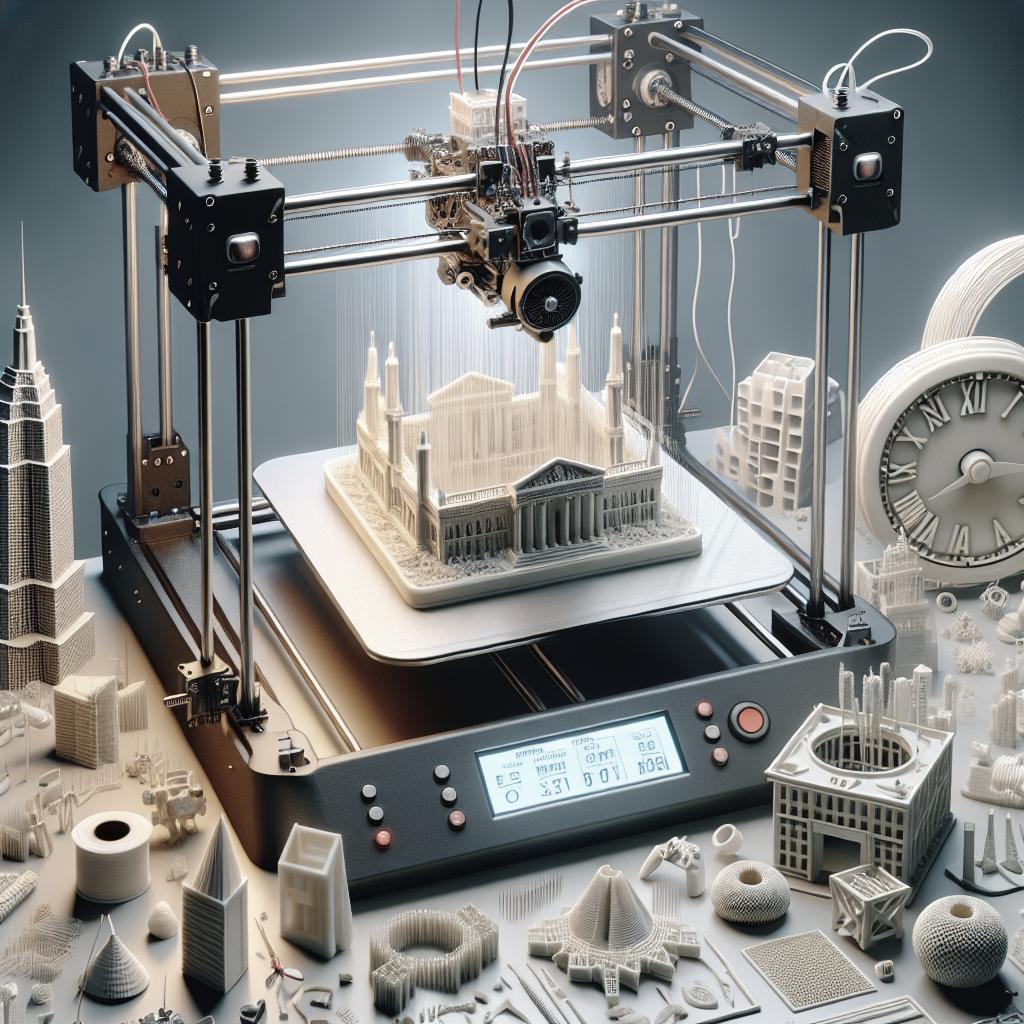
3D printing, also known as additive manufacturing, has revolutionized the way we create objects, transforming mere digital designs into tangible, complex structures layer by layer. But what happens when you combine this groundbreaking technology with the precision and efficiency of robotics? Robotic 3D printing is at the forefront of innovation, integrating advanced robotics to enhance the speed, cost efficiency, ergonomic design, quality assurance, consistency, and accessibility of 3D printing processes. This comprehensive guide delves into how robotic 3D printing is reshaping industries, from manufacturing and healthcare to construction and beyond.
What is 3D printing?
3D printing, or additive manufacturing, is a process of creating three-dimensional objects from a digital file. The creation is done layer by layer, with each layer adding to the previous one until the object is complete. This method contrasts with traditional subtractive manufacturing techniques, which involve removing material to create a part.
The technology has evolved significantly over the past few decades and is now utilized in various sectors including healthcare, automotive, aerospace, and construction. While traditional 3D printers are complex machines capable of detailed work, the integration of robotics into the process has raised the bar significantly.
In the context of robotic 3D printing, robotic arms and other automated systems work in tandem with 3D printers to enhance the functionality and application of additive manufacturing. These robots can operate continuously and with greater precision, making them invaluable assets for large-scale production and complex architectural designs.
Speed
Robotic 3D printing excels in speed, primarily because robotic arms can move more quickly and precisely than traditional 3D printers. The automation enabled by robotic systems reduces human intervention, resulting in faster production times. For example, a construction project that might take several weeks using manual labor and traditional 3D printing can be completed in a matter of days with robotic 3D printing.
This acceleration is particularly beneficial in industries where time is money, such as in manufacturing and construction. The faster turnaround times not only increase productivity but also reduce labor costs and downtime, allowing businesses to operate more efficiently.
Moreover, robotics allows for concurrent production processes, where multiple parts can be printed simultaneously, further decreasing the production timeline. These efficiencies are transforming how companies approach manufacturing and construction projects, making robotic 3D printing an appealing option for rapid prototyping and large-scale production.
Cost
The integration of robotics into 3D printing can significantly reduce costs associated with manufacturing and construction. Traditional methods often involve multiple steps and considerable manual labor, contributing to higher expenses. Robotic 3D printing minimizes these costs by automating many of the tasks that would otherwise require human intervention.
Additionally, robotic 3D printing is more efficient in material usage. Traditional subtractive manufacturing wastes a significant portion of the raw material, but additive manufacturing builds objects layer by layer, using only the necessary amount of material. This reduction in material waste not only cuts costs but also aligns with sustainable practices, benefiting the environment.
While the initial setup costs for robotic 3D printing can be high due to the expense of robotic systems and advanced printing technology, the long-term savings in labor, material, and time often outweigh these initial investments. Companies find that the return on investment makes this innovative approach highly cost-effective over time.
Ergonomic Designing
Robotic 3D printing allows for more ergonomic and complex designs that are difficult or impossible to achieve with traditional manufacturing techniques. The precision and flexibility of robotic systems enable designers to think outside the box, creating intricate geometries and customized solutions tailored to specific needs.
This capability is particularly advantageous in industries such as healthcare, where patient-specific implants and prosthetics can be meticulously crafted to fit individual anatomy. Similarly, in aerospace and automotive sectors, components can be designed with optimal aerodynamic and structural properties, enhancing performance and reducing weight.
The enhanced design flexibility also fosters innovation in architectural and creative fields. Architects and artists can leverage robotic 3D printing to bring their bold, unconventional visions to life, pushing the boundaries of what is possible in design and construction.
Tangible Product Quality Check
One of the key benefits of robotic 3D printing is the ability to conduct real-time quality checks during the manufacturing process. Robotic systems can be equipped with sensors and monitoring tools that assess the quality of each layer as it is printed. This immediate feedback ensures that any defects are detected and corrected promptly, maintaining high-quality standards throughout production.
This level of precision is especially crucial in critical industries such as aerospace and healthcare, where the integrity and performance of each component are paramount. Ensuring quality during the manufacturing process reduces the need for post-production inspections and reworks, saving time and resources.
Furthermore, the consistent quality ensured by robotic systems enhances product reliability and durability. Customers receive products that meet stringent quality criteria, bolstering brand reputation and fostering trust in the technology.
Consistency
Consistency is a hallmark of robotic 3D printing, driven by the high level of precision and repeatability that robotic systems offer. Once a design is programmed into the robotic 3D printer, it can be reproduced multiple times with exacting accuracy. This capability is invaluable for industries that require mass production of identical parts, such as automotive and consumer electronics.
The elimination of human error through automation ensures that each product adheres to the same quality standards. This uniformity is crucial for components that need to fit together seamlessly or perform consistently under varying conditions.
Additionally, robotic 3D printing supports continuous production cycles. Machines can operate around the clock without fatigue, maintaining consistent output and enabling companies to meet high-demand scenarios efficiently.
Accessibility and Sustainability
Robotic 3D printing democratizes access to advanced manufacturing technologies, making it easier for small and medium-sized enterprises (SMEs) to compete with larger corporations. The scalability and flexibility of robotic systems mean that even businesses with limited resources can leverage the benefits of this technology.
In terms of sustainability, robotic 3D printing stands out due to its efficient use of materials and energy. Traditional manufacturing processes often involve considerable waste, but additive manufacturing uses only the material necessary for the object’s creation. Furthermore, robotic systems can be programmed to optimize energy consumption, reducing the environmental impact of production activities.
These sustainability benefits extend to the end-of-life stage of products as well. Components created through robotic 3D printing can be designed for disassembly and recycling, promoting a circular economy. In this way, robotic 3D printing aligns with global efforts to reduce waste and promote more sustainable industrial practices.
Future Prospects
| Aspect | Description |
|---|---|
| Speed | Robotic 3D printing accelerates production times through faster movements and reduced human intervention, facilitating quicker turnaround times and heightened productivity. |
| Cost | The technology reduces labor and material costs while maximizing efficiency, offering substantial long-term savings despite higher initial investment. |
| Ergonomic Designing | Allows for the creation of complex and custom designs, benefiting industries such as healthcare and aerospace with tailored and optimal components. |
| Tangible Product Quality Check | Incorporates real-time quality assurance, ensuring defects are detected and corrected promptly to maintain high product standards. |
| Consistency | Enables high levels of precision and repeatability, producing identical parts with uniform quality and supporting continuous production cycles. |
| Accessibility and Sustainability | Makes advanced manufacturing accessible to SMEs and promotes sustainable practices through efficient material and energy usage, contributing to a circular economy. |