<>
— Selective Laser Sintering (SLS) is an advanced 3D printing technology that has gained traction in various industries for its ability to produce high-quality, durable parts. This blog post delves into the essentials of SLS printing, including its advantages and disadvantages, its historical development, and answers to frequently asked questions. We’ll explore how SLS has revolutionized manufacturing and prototyping, making it a critical tool in fields like aerospace, healthcare, and automotive. By the end of this article, you’ll have a comprehensive understanding of SLS printing, empowering you to appreciate its role in modern technology and innovation.
What is Selective Laser Sintering (SLS)?
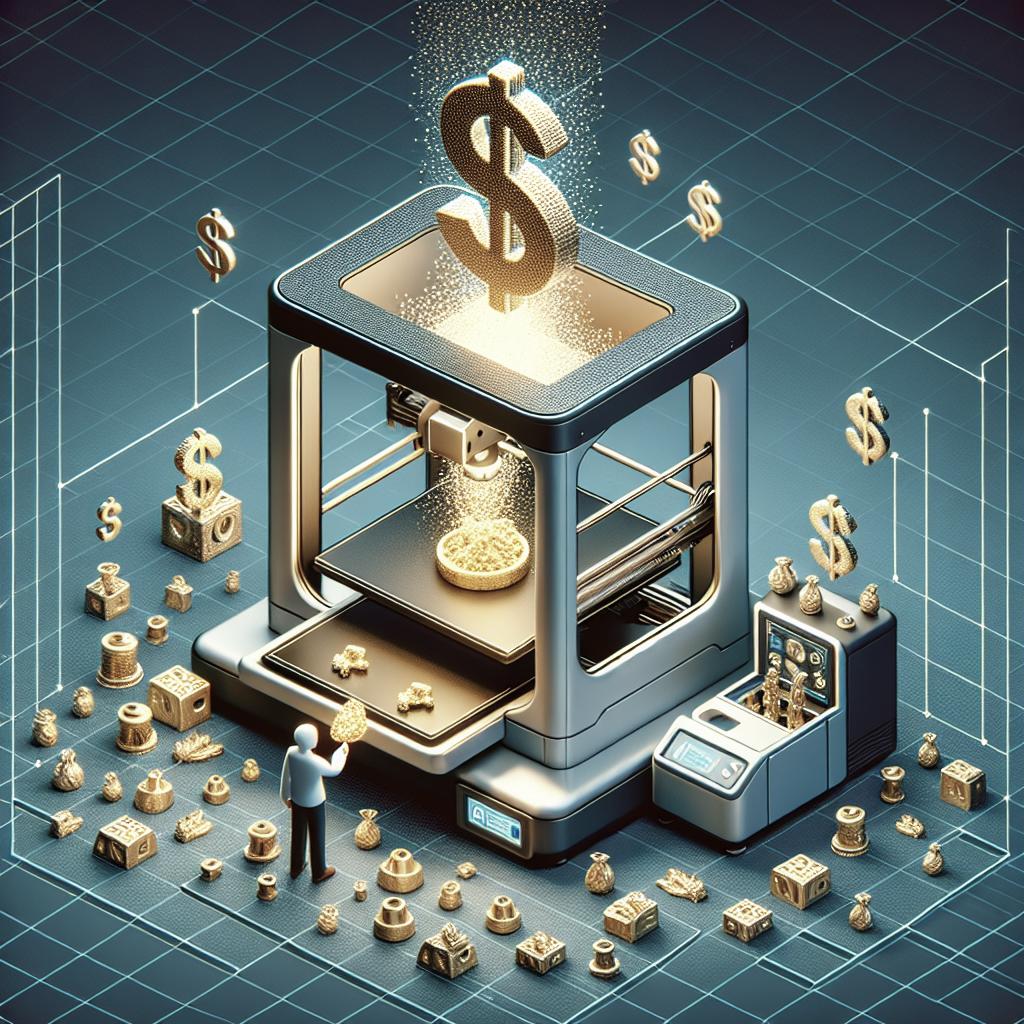
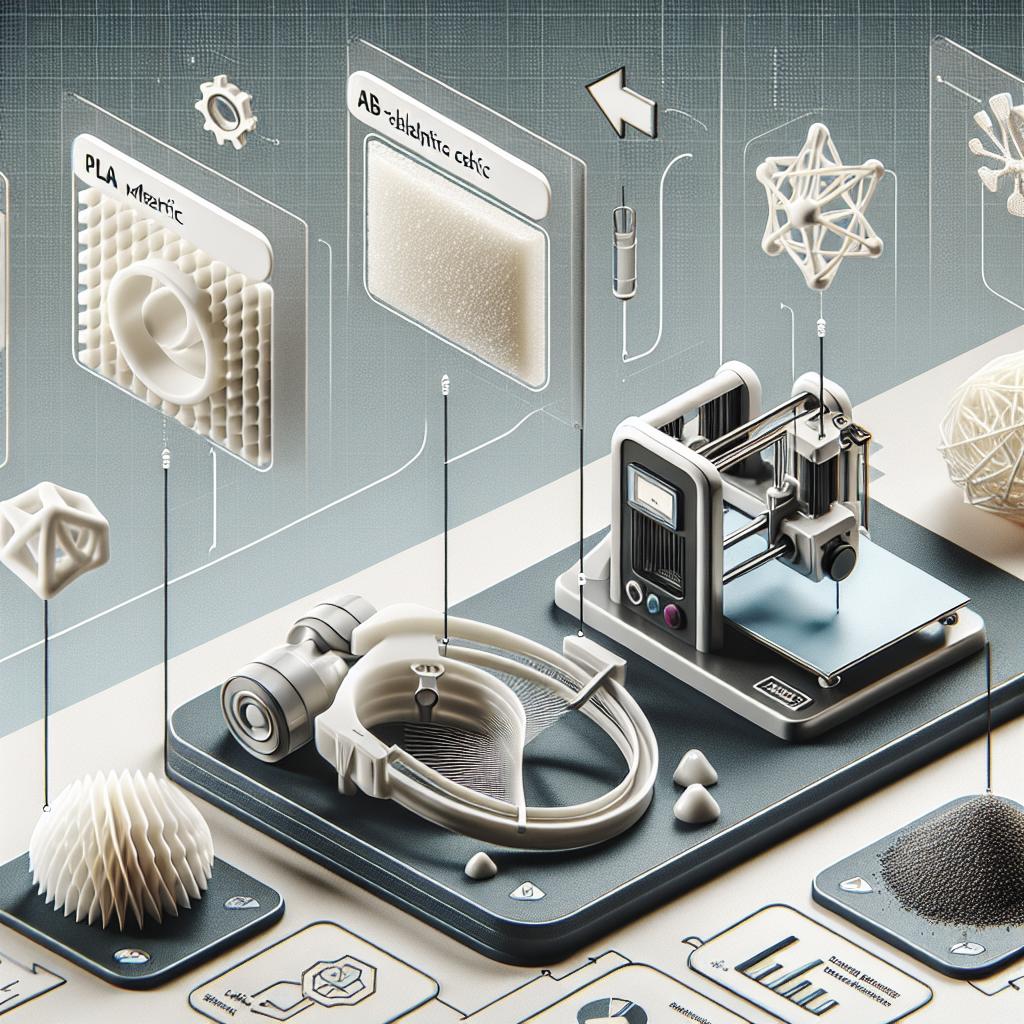
Selective Laser Sintering (SLS) is an additive manufacturing process that uses a high-powered laser to fuse small particles of powdered material. Typically involving polymers such as nylon, the laser selectively fuses the powder by scanning cross-sections generated from a 3D digital file on the surface of a powder bed. After each layer is scanned, the powder bed is lowered by one-layer thickness and a new layer of material is applied. This process is repeated until the entire object is printed. SLS stands out due to its ability to create complex and functional parts with a high degree of accuracy and durability. Unlike other 3D printing technologies, such as Fused Deposition Modeling (FDM), SLS does not require support structures. The surrounding unused powder provides the necessary support during the printing process, allowing for intricate geometries and complex assemblies to be printed in a single process. One crucial advantage of SLS is its versatility. It can produce parts from a wide range of materials, including metals and ceramics, although polymers are most common. This flexibility makes it highly appealing for various applications, from rapid prototyping to producing end-use products in industries like aerospace, automotive, and healthcare.
SLS Printing Advantages and Disadvantages
SLS printing offers numerous advantages, one of which is the ability to produce robust and durable parts. Since the parts are made from powdered material fused together, they often have higher strength and better mechanical properties compared to those produced through other 3D printing methods. Additionally, SLS does not require support structures, making it easier and more cost-effective to create complex designs. Another significant advantage is the high level of detail and precision that SLS can achieve. The laser’s precision allows for intricate geometries and fine details that are crucial for specific industrial applications. Furthermore, the unused powder can be recycled for future builds, reducing waste and making the process more sustainable. However, SLS printing is not without its disadvantages. One of the main drawbacks is the cost. The machines and materials used in SLS can be quite expensive, making it less accessible for small businesses or hobbyists. Additionally, the post-processing required, such as removing excess powder and polishing the final parts, adds to the time and cost of production. Lastly, while SLS can produce high-quality parts, the surface finish is usually rougher compared to other 3D printing techniques, necessitating additional finishing steps for parts that require a smooth surface.
History of SLS Printing
The roots of SLS printing can be traced back to the mid-1980s. It was developed by Dr. Carl Deckard, a researcher at the University of Texas at Austin, alongside his academic advisor Dr. Joe Beaman. The duo filed a patent for the technology in 1984, which was subsequently granted in 1989. Their pioneering work laid the foundation for the commercial development of SLS printing technology. In the early 1990s, the first commercial SLS machines were brought to market by a company called DTM Corporation, which was founded by Dr. Deckard himself. These early machines garnered attention from industries that required high-performance parts, such as aerospace and automotive sectors. The technology continued to evolve, with improvements in laser precision and material properties, making it more versatile and reliable. The turning point for SLS came in 2001 when DTM Corporation was acquired by 3D Systems, a leading player in the 3D printing industry. This acquisition spurred further development and commercialization of SLS technology, significantly boosting its adoption across various industries. Today, SLS is a widely recognized and utilized 3D printing technology, thanks to continuous advancements and innovations over the past few decades.
FAQ
Q: What materials can be used with SLS printing? A: SLS printing is highly versatile in terms of materials. Commonly used materials include various types of nylon, such as PA11 and PA12, which offer good strength and flexibility. SLS can also utilize other polymers, metals, and ceramics, making it suitable for a wide range of applications. Q: How long does an SLS print take? A: The time required for an SLS print varies depending on the size and complexity of the object being printed. Generally, it can range from a few hours to several days. Factors like layer thickness, material type, and post-processing requirements also play a role in determining the overall time. Q: Is SLS printing environmentally friendly? A: SLS printing does offer some environmental benefits, such as the ability to recycle unused powder for future prints, which reduces waste. However, the energy consumption of the high-powered lasers and the production of certain materials can have environmental impacts. Efforts are being made to improve the sustainability of SLS technology further. Q: What industries benefit the most from SLS printing? A: SLS printing is widely used in industries that require high-quality, durable, and complex parts. Aerospace, automotive, healthcare, and consumer goods industries particularly benefit from SLS due to its ability to produce intricate designs and functional prototypes quickly and efficiently.
Summary of Main Points
| Aspect | Details |
|---|---|
| Definition | SLS is an additive manufacturing process that uses a laser to fuse powdered material into a 3D object. |
| Advantages | Produces durable parts, allows for complex designs without support structures, high precision, and material versatility. |
| Disadvantages | High cost, requires post-processing, and generally rough surface finish. |
| History | Developed in the 1980s by Dr. Carl Deckard, commercialized in the early 1990s, and extensively adopted post-2001 after acquisition by 3D Systems. |
| Material Capabilities | Can use various materials, including polymers, metals, and ceramics, with polymers like nylon being the most common. |
| Application Time | Varies from a few hours to several days depending on complexity and size. |
| Environmental Impact | Reduced waste due to recyclable powder, though high energy consumption and material production impacts exist. |
| Industries Benefited | Aerospace, automotive, healthcare, consumer goods. |
— This summary table encapsulates the critical points discussed regarding Selective Laser Sintering (SLS), providing a quick reference guide and reinforcing the technology’s key insights.