<>
3D printing has steadily evolved over the past several years, transcending its initial niche market to become a mainstream technology with a variety of applications. This blog post explores the latest trends in 3D printing, demonstrating how the technology’s maturity has led to a wider range of use cases. We’ll delve into the rise of the digital supply chain, the critical role of quality assurance, sustainability in additive manufacturing, and the surging interest in metal 3D printing. We’ll also explore the increasingly sophisticated intersection of 3D printing and the luxury goods sector. Finally, we’ll glance at what the future holds for this transformative technology.
Wider Range of 3D Printing Use Cases Due to Increasing Technology Maturity
The maturation of 3D printing technology has led to its application across various industries. One notable area is healthcare, where 3D printing is used to create custom prosthetics, dental implants, and even bio-printed tissues. This not only enhances precision but also reduces production time and costs. The automotive and aerospace industries are also leveraging 3D printing for prototyping and producing lightweight, durable components. In the consumer market, 3D printing is making waves with personalized products like custom-fit eyewear and footwear. E-commerce platforms are also beginning to integrate 3D printing services, enabling customers to tailor their purchases. This broader acceptance and integration of 3D printing into diverse sectors underscore its growing significance as a versatile, transformative technology.
The Rise of the Digital Supply Chain
The digital supply chain is an emerging trend closely tied to advancements in 3D printing. By digitizing the entire supply chain, companies can quickly adjust to market demands without being bogged down by traditional manufacturing constraints. Digital files for 3D printed products can be transmitted worldwide, allowing production to occur closer to the end consumer and significantly reducing shipping costs and lead times. The integration of 3D printing into digital supply chains also paves the way for mass customization. Rather than producing in bulk, companies can create unique, on-demand products tailored to individual customer specifications. This trend not only optimizes inventory management but also enhances customer satisfaction by offering bespoke solutions.
Quality Assurance as the Foundation of Industrial 3D Printing
Quality assurance (QA) is critical in industrial 3D printing to ensure the reliability and performance of printed components. Advanced QA techniques are being developed to monitor each layer of a 3D printed object in real-time, using technologies such as in-situ process monitoring and automated defect detection. These methods help detect inconsistencies early, improving the overall quality of the final product. Furthermore, the use of machine learning algorithms allows for predictive maintenance and optimization of 3D printing processes. By analyzing vast amounts of data, these algorithms can identify potential issues before they occur, ensuring maximum efficiency and minimal downtime. The emphasis on quality assurance is vital for industries like aerospace and medical devices, where precision and reliability are paramount.
Sustainability in Additive Manufacturing
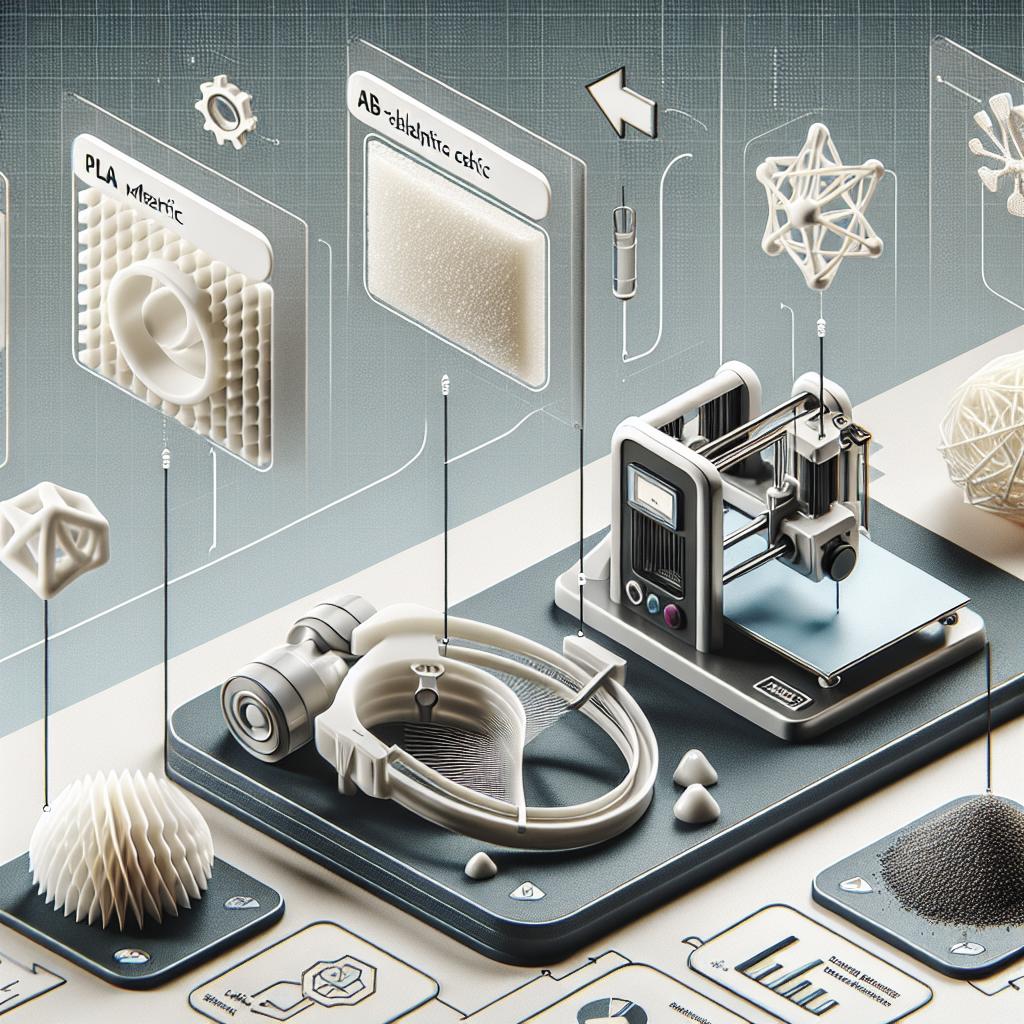
Sustainability is becoming a significant focus within the 3D printing industry. Additive manufacturing, by its nature, is less wasteful than traditional subtractive methods, which often involve cutting away large portions of material. 3D printing uses only the exact amount of material needed, reducing waste and conserving resources. In addition, many companies are experimenting with eco-friendly materials, such as biodegradable plastics and recycled metals. Innovations in material science are also enabling the use of renewable resources and promoting circular economy practices. By adopting sustainable practices, the 3D printing industry aims to lessen its environmental impact while still pushing technological boundaries.
Metal 3D Printing as a Rising Trend
Metal 3D printing is gaining traction as a reliable method for producing high-strength, complex parts that would be difficult or impossible to create using traditional manufacturing techniques. This is particularly relevant in industries like aerospace, automotive, and healthcare, where durable, intricate components are essential. One of the driving forces behind this trend is the development of new metal alloys specifically designed for 3D printing. These materials can achieve mechanical properties that rival or even surpass those of traditionally manufactured metals. The rise of metal 3D printing is also supported by advancements in post-processing technologies, which enhance surface finish and overall part quality.
Read More: 3D Printing in Luxury Goods Sector
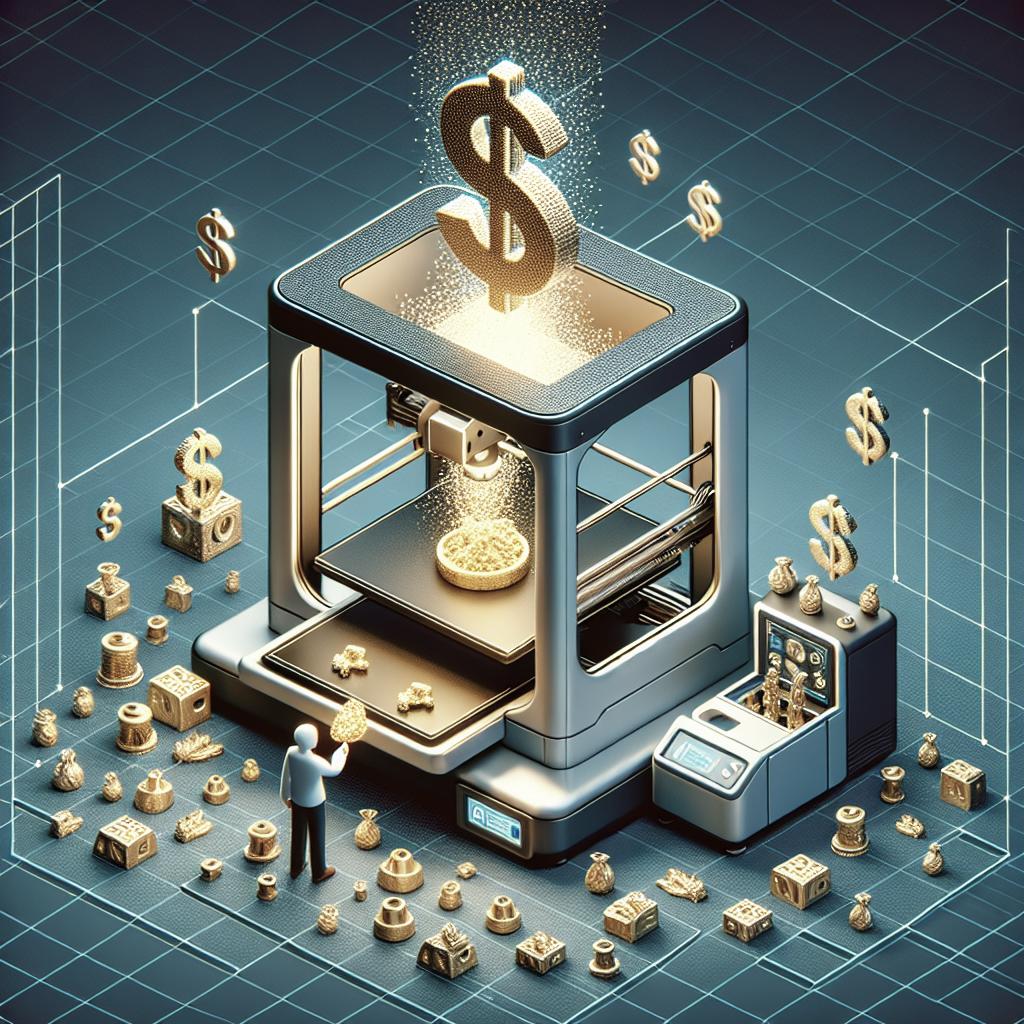
The luxury goods sector is exploring 3D printing to create unique, high-end products. This includes bespoke jewelry, customized fashion accessories, and intricate timepieces. The precision and customization capabilities of 3D printing make it an attractive option for luxury brands looking to offer exclusive, personalized items to discerning customers. By utilizing 3D printing, luxury brands can produce designs that are otherwise too complex to manufacture using traditional methods. This technology allows for the creation of intricate patterns and structures, elevating the artistic and aesthetic value of the products. As a result, 3D printing is becoming a significant tool for innovation and differentiation in the luxury goods market.
Final Thoughts: A Glance at the Future of 3D Printing
As 3D printing technology continues to advance, its applications are expected to expand even further. From personalized healthcare solutions to sustainable manufacturing practices, the potential of 3D printing is vast. The trend towards digital supply chains and the development of new materials will likely further integrate 3D printing into mainstream manufacturing processes. Here is a summary of the key trends discussed: “`
| Trend | Description |
|---|---|
| Wider Range of Use Cases | 3D printing is being used in diverse fields including healthcare, automotive, aerospace, and consumer products. |
| Digital Supply Chain | Allows for on-demand production close to the consumer, reducing costs and lead times. |
| Quality Assurance | Advanced techniques ensure high quality and reliability, crucial for industries like aerospace and medical devices. |
| Sustainability | Focus on reducing waste and using eco-friendly materials in 3D printing processes. |
| Metal 3D Printing | Development of new metal alloys and post-processing techniques driving the trend. |
| Luxury Goods Sector | Creating unique, bespoke items with intricate designs and high precision. |
“` The ongoing advancements in 3D printing technology herald an exciting future, transforming how industries operate and products are made. Whether you’re in healthcare, manufacturing, or even the luxury goods sector, staying abreast of these trends will be key to leveraging 3D printing’s full potential.