<>
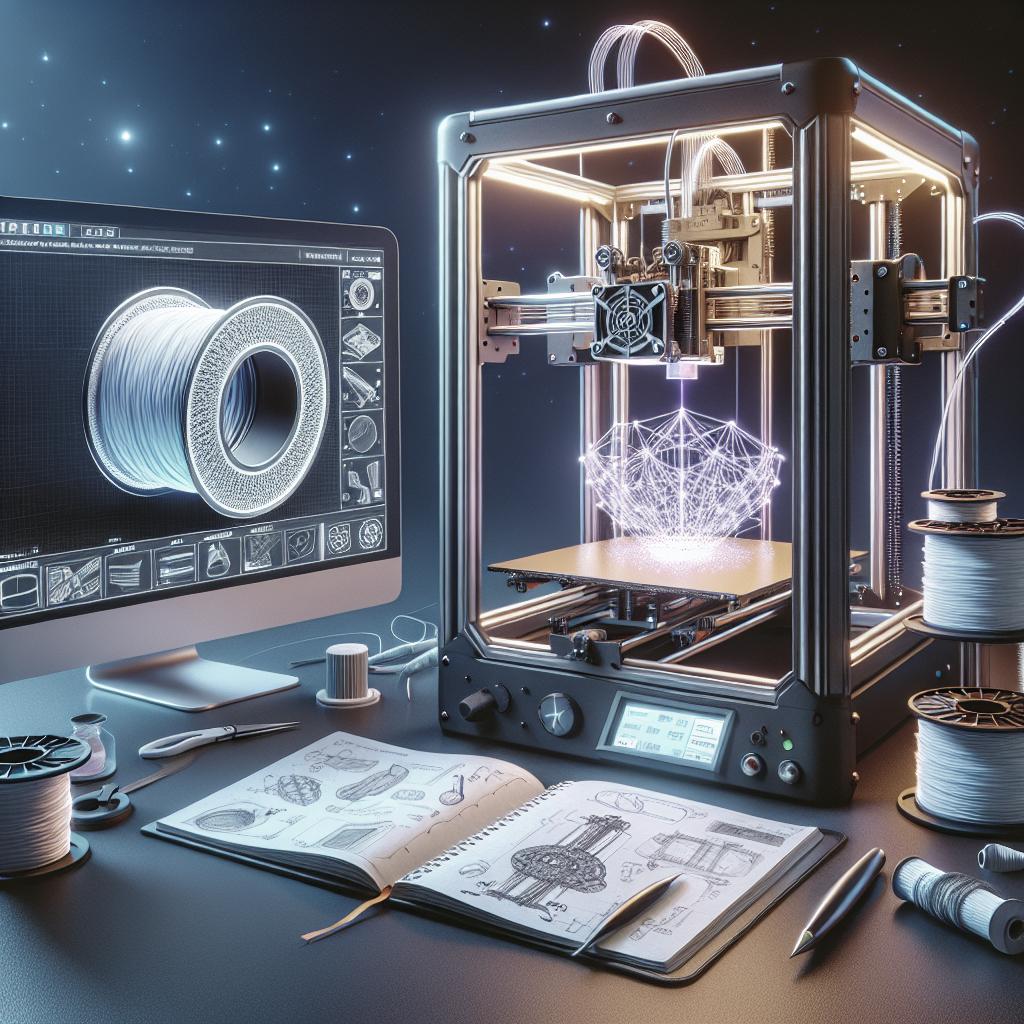
In recent years, the realm of 3D printing has dramatically evolved from a niche hobby to a transformative force in multiple industries. A particularly compelling innovation within this space is carbon fiber 3D printing. This technology represents a fusion of traditional composite materials with modern additive manufacturing techniques, yielding components that are not only lightweight but also incredibly strong. This blog post will delve into the intersection of carbon fiber and 3D printing, exploring various methods and materials used to achieve high-performance print objects. We’ll first uncover what composites bring into the world of 3D printing and how their unique properties enhance the printed parts. Following that, we’ll discuss chopped fiber 3D printing materials and their implications on accessibility and performance. Continuous fiber 3D printing is our next topic, offering deeper insights into how these unbroken fibers fortify printed structures. To cap it off, we’ll look at a U.S. Army case study that illustrates the practical applications and advantages of carbon fiber 3D printing. —
What Composites Do for 3D Printing
Composites fundamentally change the landscape of 3D printing by introducing materials that combine multiple constituents to achieve properties unattainable by single elements. Traditional filaments like PLA or ABS, while versatile, lack the advanced mechanical properties necessary for high-stress applications. Composites, often a blend of plastic and reinforcing fibers, offer a compelling solution by introducing increased strength, rigidity, and even resistance to elements like heat and chemical exposure. The most notable composite in 3D printing is carbon fiber. Carbon fiber composites typically consist of a polymer matrix enhanced with carbon fibers. The fibers impart extraordinary strength and stiffness while keeping the weight minimal. This unique blend allows industries such as aerospace, automotive, and defense to develop lighter, stronger, and more fuel-efficient components. Essentially, composites revolutionize what is possible with 3D printing, pushing the boundaries of where and how this technology can be applied. Moreover, the incorporation of composites into 3D printing democratizes the ability to create high-performance parts. Smaller businesses or individual innovators now have access to materials once reserved for large-scale manufacturers, thereby unlocking unprecedented potential for bespoke designs and custom solutions.
Chopped Fiber 3D Printing Materials
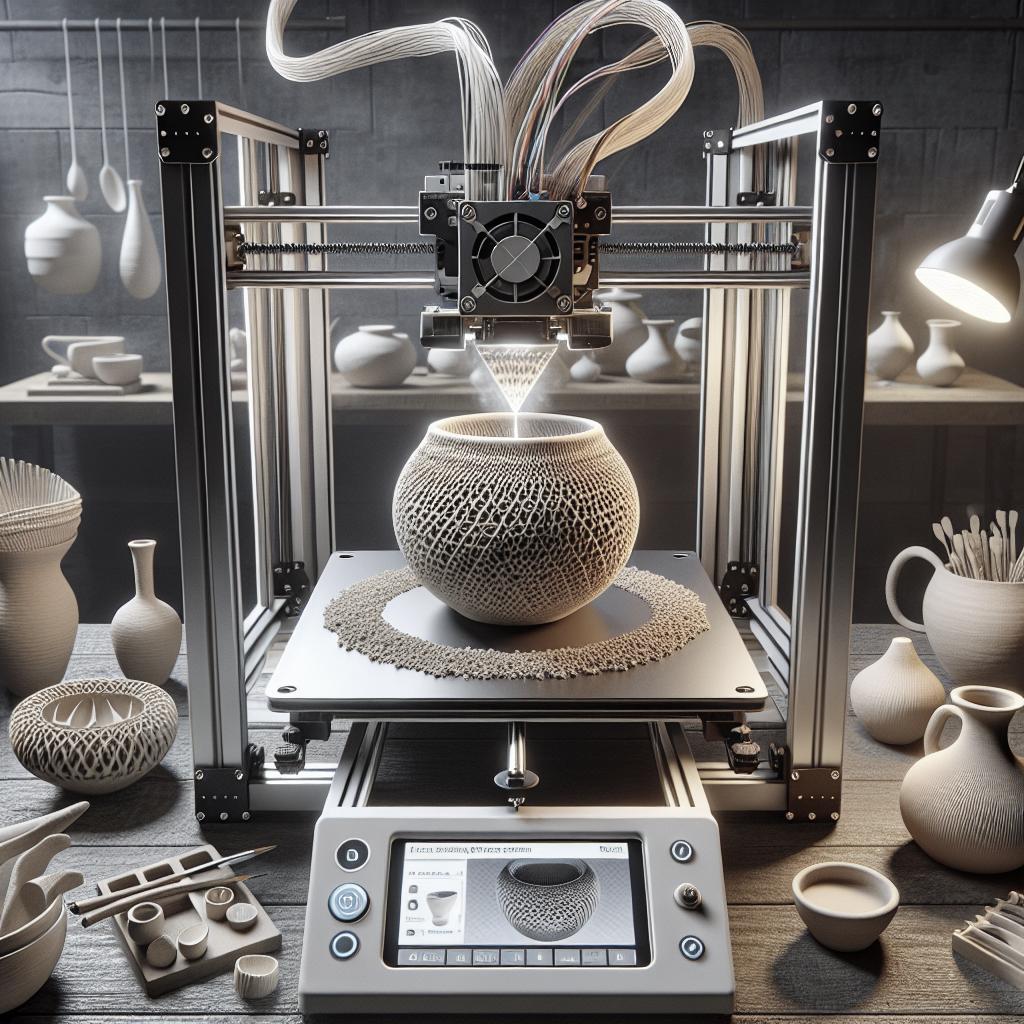
Chopped fiber materials are among the first and most accessible methods for integrating carbon fiber into 3D printing. These materials involve embedding small, finely chopped carbon fibers into a thermoplastic matrix, forming a composite filament that can be used with standard FDM (Fused Deposition Modeling) printers. By introducing these chopped fibers, the resultant printed objects exhibit better strength and stiffness compared to those printed with standard filaments. One of the prominent benefits of using chopped fiber materials is accessibility. Since these composites can be used with traditional 3D printers, they don’t require significant initial investment in new equipment. This accessibility opens doors for hobbyists, small businesses, and educational institutions to experiment with high-performance materials. The printed items benefit from improved durability and reduced weight, making them more viable for practical applications. However, it’s worth noting that while chopped fiber composites enhance strength, they don’t offer the same level of performance as continuous fiber composites. The random and discontinuous nature of the chopped fibers means the strength is concentrated around the polymer matrix, rather than uniformly distributed. Nonetheless, they represent a valuable stepping stone in the realm of carbon fiber 3D printing.
Continuous Fiber 3D Printing
Continuous fiber 3D printing elevates the benefits of carbon fiber by leveraging unbroken strands of fiber within the printed item. Unlike chopped fibers, continuous fibers provide uniform strength throughout the produced components. This method typically involves specialized 3D printers capable of laying down both the thermoplastic matrix and continuous fibers simultaneously, melding them together during the printing process. The integration of continuous carbon fibers ensures the parts are not only stronger but also lighter. This process closely mimics traditional composite manufacturing techniques, hence the resultant parts can be directly used in high-stress situations like aerospace components, automotive parts, and sports equipment. These attributes make continuous fiber printing a game-changer for industries where performance, safety, and material efficiency are of paramount importance. However, the potential of continuous fiber 3D printing comes with its own set of challenges. The technology and printers required for this method are often costly and complex. Therefore, while continuous fiber printing opens new horizons for material performance, it also necessitates a higher level of technical expertise and investment.
U.S. Army Case Study
The U.S. Army has long been a proponent of innovative technologies, and their foray into carbon fiber 3D printing is no exception. The Army has leveraged continuous fiber 3D printing to develop robust yet lightweight components for various applications, from drones to armored vehicle parts. The significant reduction in weight without compromising strength means improved fuel efficiency and better performance for military equipment. One notable example is the use of carbon fiber 3D printing to manufacture parts for UAVs (Unmanned Aerial Vehicles). The customized and lightweight nature of these parts enables longer flight times and greater operational range, which are critical factors in surveillance and reconnaissance missions. The rapid prototyping ability of 3D printing also means that custom parts can be quickly developed and deployed, ensuring that operational needs are met with minimal delay. Another application lies in the development of lighter armor for personnel and vehicles. The inherent strength of carbon fiber composites allows for thinner and more lightweight armor, which can improve both mobility and safety for soldiers and vehicles on the field. This dual benefit underscores the strategic advantages of incorporating advanced materials like carbon fiber into military applications. — “`
| Aspects | Details |
|---|---|
| Composites in 3D Printing | Combining multiple materials to enhance strength, rigidity, and resistance. |
| Chopped Fiber 3D Printing | Embedding finely chopped carbon fibers in thermoplastic matrix; compatibility with standard FDM printers. |
| Continuous Fiber 3D Printing | Using unbroken carbon fibers for uniform strength; high performance with specialized equipment. |
| U.S. Army Case Study | Application in UAVs and armor; enhanced performance and rapid prototyping benefits. |
“`