<>
Ceramic 3D printing is an innovative technology transforming various industries by providing efficient, precise, and versatile manufacturing solutions. This comprehensive guide explores the costs associated with ceramic 3D printing, delving into the fundamentals of 3D printing technology, various types of 3D printing, and the distinct factors impacting costs. Additionally, we’ll examine the benefits and challenges of using 3D printing for manufacturing purposes and tackle common questions. By understanding these costs and the broader landscape of 3D printing, businesses and enthusiasts alike can make informed decisions to leverage this cutting-edge technology effectively.
What is 3D printing, and how does it work?
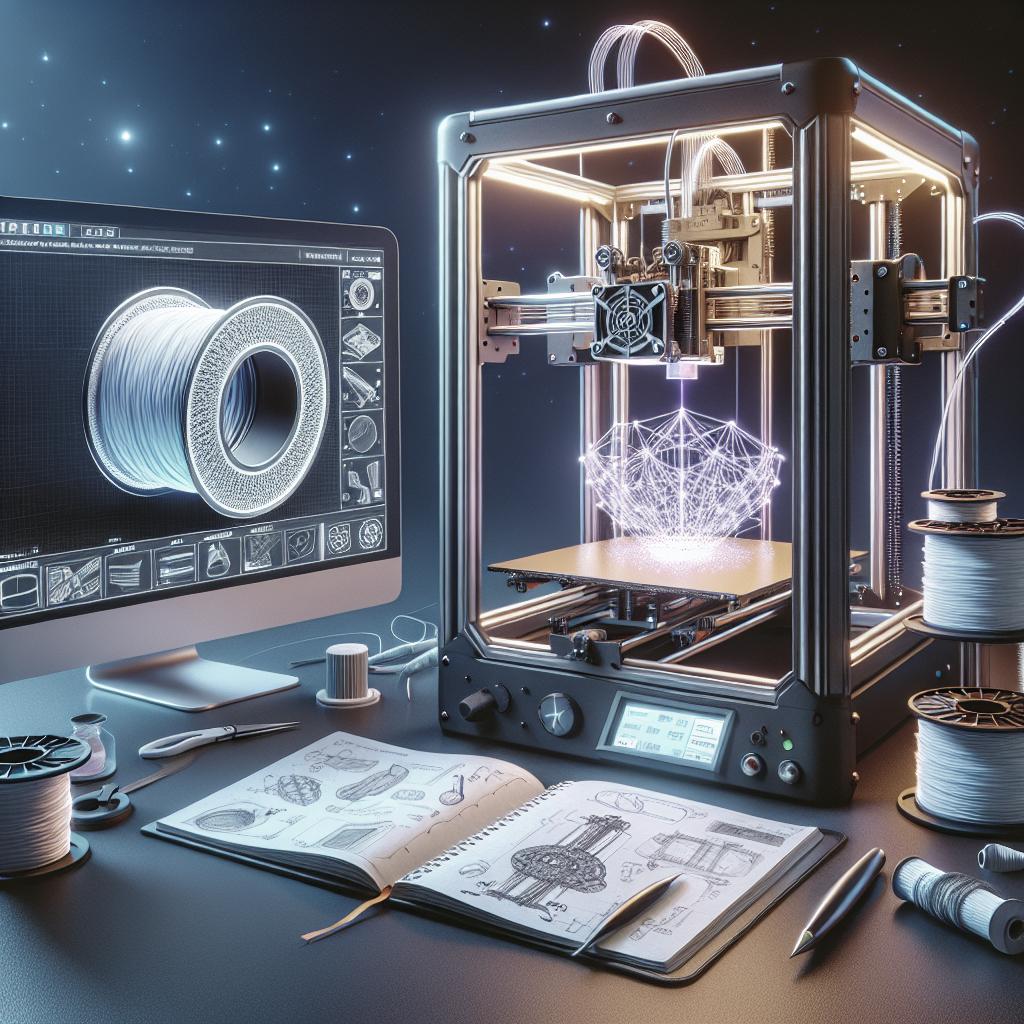
3D printing, also known as additive manufacturing, is a process that creates three-dimensional objects by layering materials based on digital models. Starting from a digital blueprint, 3D printers read data from CAD (Computer-Aided Design) files and methodically dispense materials layer by layer until the final object is formed. This approach allows for the creation of complex geometries that would be difficult or impossible to achieve using traditional manufacturing methods. One of the unique aspects of 3D printing is its versatility in material usage. From plastics and metals to even living tissues, the variety of materials that can be used in 3D printing is vast. Among these materials, ceramics hold a special place due to their unique properties, such as high heat resistance and electrical insulation, making them ideal for specialized industrial applications.
Common types of 3D printing
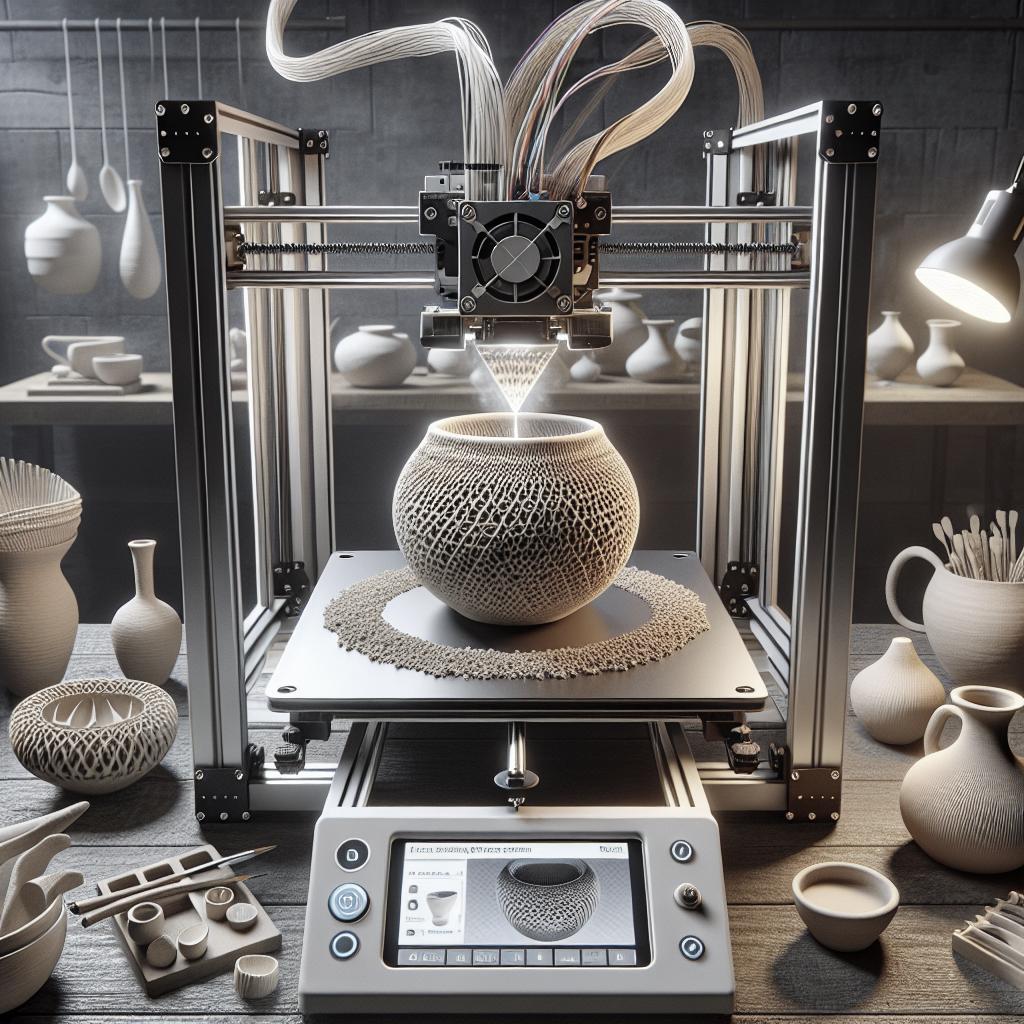
There are several common methods of 3D printing, each with its strengths and weaknesses. These include Fused Deposition Modeling (FDM), Stereolithography (SLA), Selective Laser Sintering (SLS), and Direct Ink Writing (DIW), among others. FDM is notable for its affordability and ease of use, making it a popular choice for hobbyists and small enterprises. SLA provides high-resolution prints with excellent detail, often used in dental and medical fields. However, when it comes to ceramic 3D printing, methods like SLA and DIW are more commonly employed. DIW involves the direct extrusion of ceramic pastes, while SLA uses a UV laser to cure resin into hard ceramic forms. These specialized techniques ensure high precision and quality, essential for the refined attributes ceramic materials offer.
Factors affecting the cost of 3D printing
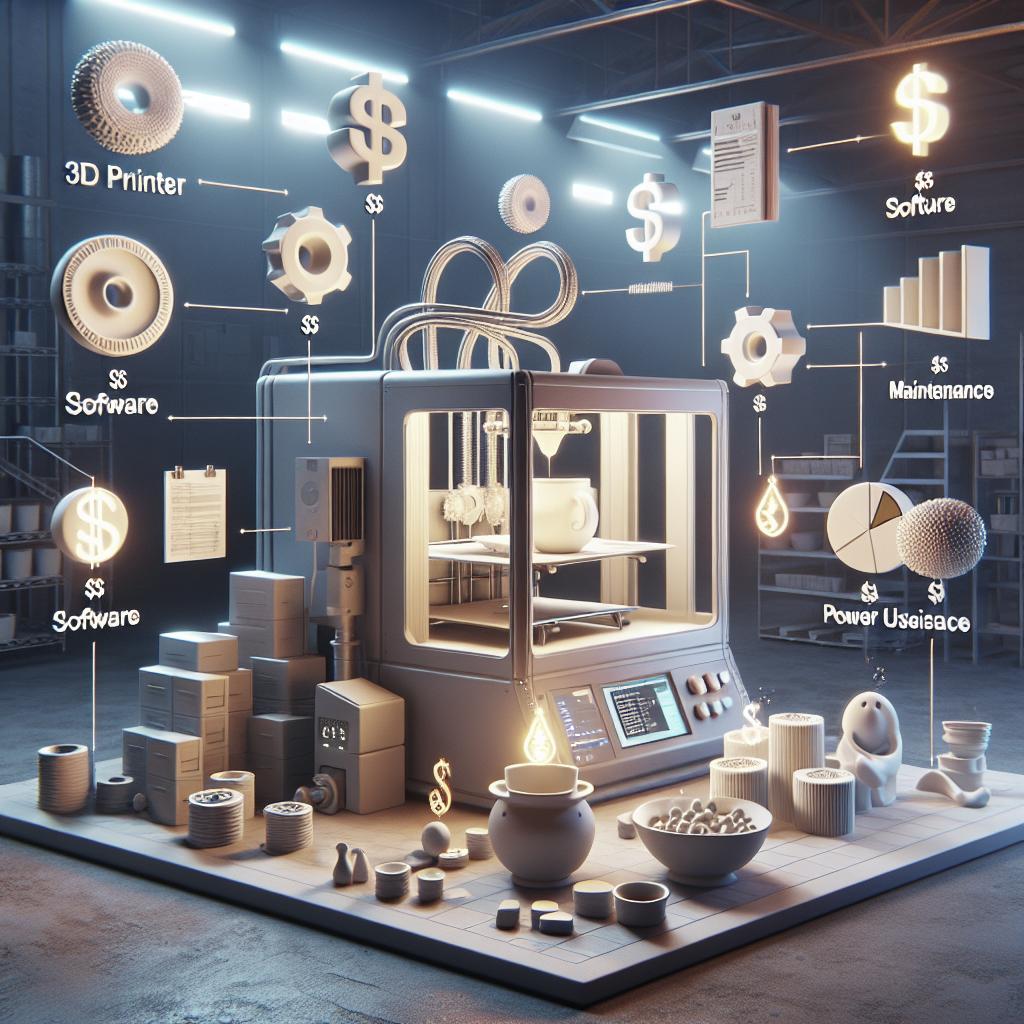
The cost of 3D printing can be influenced by several factors, including the type of printer, material costs, maintenance, and the complexity of the print design. For ceramic 3D printing specifically, the printer itself can be a significant upfront investment. Industrial-grade ceramic printers can range from $50,000 to several hundred thousand dollars, depending on capabilities and specifications. In addition to the printer, material costs play a critical role. Ceramic materials are generally more expensive than typical 3D printing filaments. The price of ceramic powders or pastes can vary, often costing between $100 to $500 per kilogram. Furthermore, the post-processing steps, such as firing the ceramic to achieve final structural integrity, add additional expenses to the project.
Is 3D printing expensive in the UK?
The costs of 3D printing in the UK are consistent with global trends but can be affected by local economic factors such as import taxes, shipping fees, and currency exchange rates. High-quality ceramic 3D printers and materials tend to have comparable prices worldwide, but ancillary costs like electricity, labor, and maintenance may vary. Moreover, subsidies and grants for technological innovation available in the UK can sometimes offset the initial investment required for 3D printing equipment. SMEs (Small and Medium-sized Enterprises) may also find collaborative opportunities in the UK’s active tech clusters, potentially reducing costs through shared resources and collective expertise.
What are the benefits and challenges of using 3D printing for manufacturing?
Ceramic 3D printing offers several benefits, including the ability to create complex shapes and structures that are difficult to produce through traditional methods. This flexibility can lead to innovation in product design and functionality. Additionally, 3D printing reduces material waste, as it only uses the material necessary to build the object layer by layer, unlike subtractive manufacturing, which often results in excess scrap. However, there are challenges as well. One major hurdle is the high initial cost of equipment and materials. Furthermore, the technology might not yet be efficient for mass-producing large quantities of items due to slower printing speeds and the time required for post-processing steps like firing the ceramic. These challenges mean that while ceramic 3D printing is ideal for prototyping and specialized applications, it may not yet be the best solution for high-volume production runs.
FAQ’s
What types of ceramics can be 3D printed? A variety of ceramics can be 3D printed, including alumina, zirconia, and silica, each with specific properties suited for different applications. How long does it take to print a ceramic object? The duration can vary significantly depending on the size and complexity of the object. A small, simple object may take a few hours, whereas larger, intricate designs could take several days. Is ceramic 3D printing environmentally friendly? While it reduces material waste compared to traditional methods, the overall environmental impact depends on factors like energy consumption and the sourcing of ceramic materials.
Put your Innovation on Autopilot®
Embrace ceramic 3D printing to take your innovation to the next level. Whether it’s creating intricate medical devices, complex engineering components, or cutting-edge art pieces, ceramic 3D printing can open new avenues for creativity and efficiency in your business or project endeavors.
Submit a Comment Cancel reply
Feel free to share your thoughts and questions regarding ceramic 3D printing below. Your insights and inquiries help us improve our content and better cater to your interests.
Get the print version
For those who prefer a physical copy, a print version of this guide is available. Simply click on the download link and enjoy a hard copy at your convenience.
Submit a Comment Cancel reply
Engage with our community by leaving a comment or question. Your participation is highly valued and essential to our shared learning experience.
| Topic | Summary |
|---|---|
| What is 3D printing, and how does it work? | An additive manufacturing process creating 3D objects from digital models, applicable to various materials, including ceramics. |
| Common types of 3D printing | Different methods like FDM, SLA, SLS, and DIW, with ceramics primarily utilizing SLA and DIW for high precision. |
| Factors affecting the cost of 3D printing | Costs influenced by printer type, material expenses, maintenance, and design complexity. Ceramic materials and specialized printers add to expenses. |
| Is 3D printing expensive in the UK? | Costs are consistent with global trends, with local economic factors influencing expenses. Grants and tech clusters aid in cost reduction. |
| Benefits and challenges of using 3D printing for manufacturing | Benefits include complex shapes, reduced waste, and innovation. Challenges are high initial costs and inefficiency for mass production. |
| FAQ’s | Common questions about types of ceramics, print durations, and environmental impact of ceramic 3D printing addressed. |