<>
Introduction
3D printing has revolutionized diverse sectors, including ceramics. This advanced manufacturing process offers enhanced design flexibility and material efficiency. As 3D printing grows, testing the strength of 3D printed ceramics becomes crucial for ensuring reliability and performance in real-world applications. This comprehensive guide explores the fundamentals of 3D printing, the materials used, and the importance of strength testing. We delve into the printing parameters, post-processing, and various testing methods to interpret results accurately. With strategies to enhance strength and case studies, you’ll gain insights into optimizing 3D printed ceramic parts for diverse applications.
Understanding 3D Printing
What is 3D Printing?
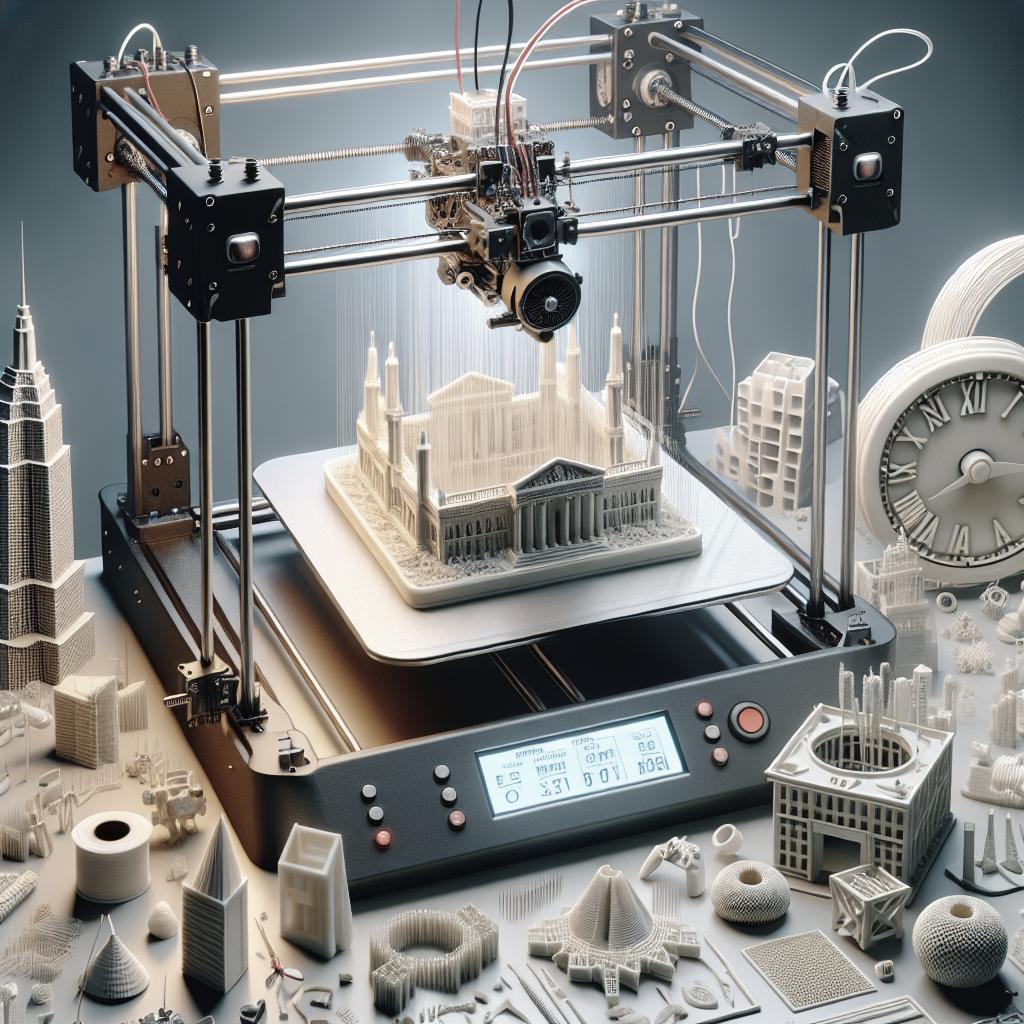
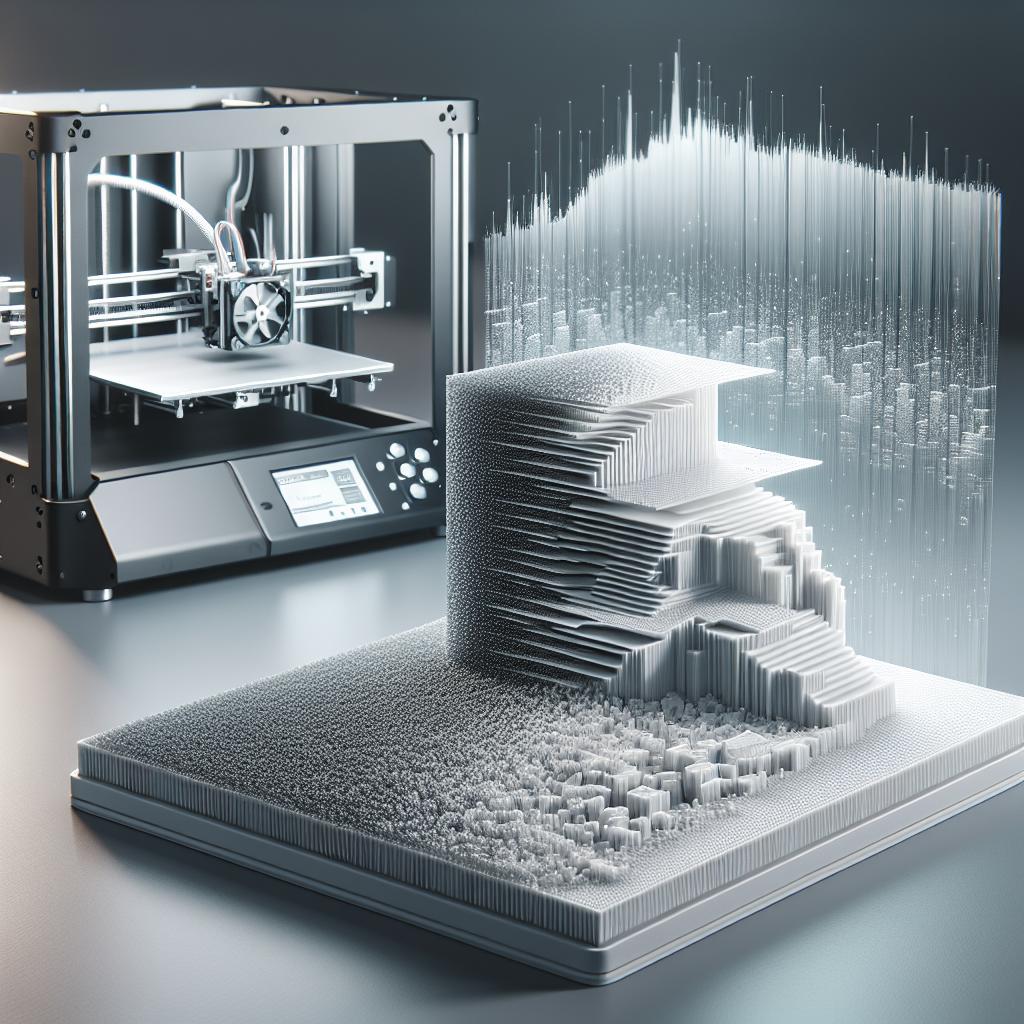
3D printing, also known as additive manufacturing, refers to fabricating objects by layer-wise addition of material based on a digital model. This method contrasts with traditional subtractive manufacturing, where material is removed to achieve the desired shape. In 3D printing, a digital file is transformed into a physical object through successive layering, making it a versatile technology suitable for creating complex geometries that are often impossible with conventional manufacturing techniques. The transformative power of 3D printing lies in its ability to create customized parts rapidly and cost-effectively. This technology has found applications in sectors ranging from healthcare and automotive to aerospace and art. Particularly in ceramics, 3D printing allows for the creation of intricate designs and improved material utilization.
The Growth of 3D Printing
The growth of 3D printing has been driven by advancements in material science, hardware, and software. The technology has expanded from niche prototype applications to full-scale production in industries worldwide. Government and private investments have fueled research and development, fostering innovations that continuously enhance 3D printing’s accuracy, speed, and material capabilities. As 3D printing continues to develop, it addresses increasing complex engineering challenges, pushing the boundaries of traditional manufacturing. This growth has led to a rising demand for robust methods to test and assure the quality and strength of printed parts, ensuring that they meet stringent safety and performance standards.
Components of 3D Printed Parts
Types of Materials Used in 3D Printing
3D printing utilizes various materials, each suitable for specific applications and functionalities. Commonly used materials include plastics, metals, and ceramics. Plastics, such as PLA and ABS, are popular for prototyping due to their ease of use and low cost. Metals, including stainless steel, aluminum, and titanium, are preferred in high-performance industries for their strength and durability. Ceramics, known for their thermal and chemical stability, find applications in areas demanding high wear and heat resistance. 3D-printed ceramics offer benefits such as intricate designs and reduced material wastage, becoming increasingly important in architecture, aerospace, and biomedical implants.
Understanding the Strength of 3D Printed Parts
Material Selection
The strength of 3D printed parts significantly depends on the material chosen. Different materials exhibit varying mechanical properties, affecting the part’s performance under stress. For ceramics, factors like purity, grain size, and composition influence their strength and applicability. It’s essential to select materials that align with the intended use to ensure optimal strength and functionality. The choice of material also impacts the printing process. Not all 3D printers are compatible with every material, so it is crucial to understand the material properties and the printer’s capabilities. Proper material selection is a foundational step in achieving robust 3D printed parts.
Printing Parameters
Printing parameters, such as layer height, print speed, and temperature, play a critical role in determining the strength of 3D printed parts. For ceramics, parameters like sintering temperature and time must be meticulously controlled to avoid defects that weaken the final product. Fine-tuning these parameters can enhance inter-layer adhesion and overall part integrity. Optimizing printing parameters involves a balance between quality and efficiency. High-resolution prints generally require more time but result in stronger and more detailed parts. Experimenting with and calibrating these settings is essential for consistently producing strong 3D printed ceramics.
Part Design
The design of a 3D printed part can significantly influence its strength. Factors such as geometry, wall thickness, and internal structures (e.g., infill patterns) determine how a part will respond to various loads. Complex designs can benefit from 3D printing’s unique capabilities, but designers must also consider stress distribution and potential weak points. Using design software, engineers can simulate load conditions and identify areas prone to failure. Designing with strength in mind requires a holistic approach, considering both aesthetic and functional requirements to produce robust and reliable parts.
Post-Processing
Post-processing steps such as curing, sintering, and surface finishing can significantly enhance the mechanical properties of 3D printed ceramics. These processes aim to densify the material, reduce porosity, and improve surface quality, which collectively contribute to the part’s increased strength. For example, ceramics often require sintering at high temperatures to achieve full density and optimal mechanical properties. Surface treatments can also remove defects and imperfections that may lead to stress concentrations, thereby enhancing the part’s durability and lifespan.
Comparing Strength of 3D Printed Parts with Traditional Manufacturing
When comparing the strength of 3D printed parts to traditionally manufactured ones, several factors come into play. Traditional methods like casting and injection molding yield parts with uniform material properties and fewer internal defects, typically resulting in higher strength. However, 3D printing offers unparalleled design flexibility and can produce complex geometries that traditional methods cannot. Studies show that with proper material selection, optimized printing parameters, and effective post-processing, the strength of 3D printed ceramics can approach or even surpass that of traditionally manufactured parts. Continuous advancements in 3D printing technology further narrow this gap, making it a viable alternative for various applications.
Testing the Strength of 3D Printed Parts
Methods of Testing
Various methods are employed to test the strength of 3D printed ceramics, each designed to measure different mechanical properties. Tensile testing determines the material’s resistance to being pulled apart and provides data on tensile strength and elongation. Compression testing measures the material’s ability to withstand crushing forces, offering insights into compressive strength. Impact testing evaluates the material’s toughness and ability to absorb energy during sudden force applications. Other methods, such as flexural testing and hardness testing, examine the material’s bending strength and surface resistance, respectively. Together, these tests provide a comprehensive understanding of the material’s mechanical properties.
Interpreting the Test Results
Tensile Test Results
Tensile test results for 3D printed ceramics provide crucial data on their mechanical behavior under tensile stress. Key parameters include tensile strength, which is the maximum stress the material can withstand, and elongation at break, indicating ductility. High tensile strength and adequate elongation are desirable for applications requiring durability and flexibility. Analyzing tensile test data helps identify weaknesses in material composition or printing parameters. Consistently achieving high tensile strength indicates that the printing process and material selection are well-optimized, ensuring reliable performance in practical applications.
Compression Test Results
Compression tests measure the material’s capacity to resist compressive forces. The key metric is compressive strength, which quantifies the maximum load the ceramic can withstand before failure. This test is particularly relevant for applications where the material is subjected to compressive loads, such as structural components and support elements. Interpreting compression test results helps evaluate the material’s suitability for load-bearing applications. High compressive strength typically signifies a well-sintered and defect-free material, crucial for the safety and longevity of the final product.
Impact Test Results
Impact testing assesses the toughness of 3D printed ceramics by measuring their ability to absorb energy during sudden impacts. The main output is the impact strength or toughness, reflecting the material’s resistance to fracture under dynamic loads. This property is vital for applications where the material may encounter abrupt forces or shocks. Higher impact strength indicates a robust material that can endure more significant forces without cracking or breaking. Such properties are essential for applications in high-stress environments, ensuring reliability and safety.
Other Test Results
Additional testing methods, like flexural testing and hardness testing, provide further insights into the mechanical behavior of 3D printed ceramics. Flexural testing measures the material’s ability to resist deformation under bending stresses, giving information about its flexural strength. This is crucial for parts subjected to bending in their applications. Hardness testing quantifies the material’s resistance to localized plastic deformation or scratching. High hardness values are desirable for wear-resistant surfaces, ensuring durability in abrasive conditions. Combining these test results offers a well-rounded understanding of the material’s strengths and weaknesses.
Improving the Strength of 3D Printed Parts
Strategies for Increasing Strength
Several strategies can enhance the strength of 3D printed ceramic parts. Firstly, optimizing printing parameters such as layer height, infill density, and printing speed can significantly improve inter-layer adhesion and reduce voids. Using high-quality materials specifically designed for 3D printing can also lead to stronger parts with fewer defects. Post-processing techniques like sintering, surface finishing, and infiltration can further enhance strength by increasing density and reducing surface imperfections. Additionally, design optimization through software tools allows for the identification and mitigation of potential weak points, ensuring robust and durable parts.
Case Studies of Strength Improvement
Real-world examples demonstrate the effectiveness of strength improvement strategies in 3D printing. For instance, an aerospace manufacturer optimized their printing parameters and post-processing techniques, resulting in ceramic parts with enhanced tensile and compressive strength. These improvements allowed the parts to perform reliably under extreme conditions, significantly reducing failure rates. Another case study involves a biomedical company that used design optimization to create complex ceramic implants with superior mechanical properties. By simulating load conditions and adjusting designs accordingly, they achieved parts that withstood higher stresses, improving patient outcomes and satisfaction.
Final Thoughts
Understanding and testing the strength of 3D printed ceramics is critical for ensuring their reliability and performance in various applications. By selecting appropriate materials, optimizing printing parameters, and employing effective post-processing techniques, it’s possible to produce robust and durable parts. Through comprehensive testing methods and data analysis, manufacturers can continually improve their 3D printing processes, pushing the boundaries of what’s possible with this revolutionary technology.
FAQs
1. What are the common materials used in 3D printing ceramics? – Alumina, zirconia, and silicon carbide are commonly used for 3D printing ceramics due to their excellent mechanical properties and thermal stability. 2. How does layer height affect the strength of 3D printed parts? – Smaller layer heights generally lead to better layer adhesion and fewer defects, resulting in stronger parts. 3. Why is post-processing important for 3D printed ceramics? – Post-processing like sintering increases material density and reduces porosity, significantly enhancing the mechanical strength of 3D printed ceramics.
References
1. Material Science and Engineering: An Introduction by William D. Callister 2. Additive Manufacturing Technologies: Rapid Prototyping to Direct Digital Manufacturing by Ian Gibson et al. 3. Ceramic Materials: Science and Engineering by C. Barry Carter and M. Grant Norton
Determination of strength to evaluate the load capacity of ceramics
What methods are available for determining strength by bending?
Bending tests, also known as flexural tests, are commonly used to determine the strength of ceramic materials. These tests involve applying a load to a ceramic sample until it fractures, measuring its flexural strength. There are several methods for conducting bending tests, including three-point bending, four-point bending, and ring-on-ring tests. Three-point bending is the most widely used due to its simplicity and effectiveness. The setup involves placing the ceramic sample on two supports and applying a load at the center until it breaks, with the maximum stress being calculated based on the applied force and sample dimensions.
How is the probability of failure of your ceramic determined?
The probability of failure in ceramic materials is typically determined using statistical methods and fracture mechanics principles. One common approach is the Weibull analysis, which models the variability in strength data and predicts the likelihood of failure under specific conditions. By conducting multiple strength tests and plotting the results on a Weibull plot, engineers can estimate the Weibull modulus and characteristic strength of the ceramic, providing insights into its reliability and performance. This statistical analysis helps in designing components with a specified probability of failure, ensuring safety and robustness in practical applications.
Read on to learn how different factors influence the strength of 3D printed parts and what you can do to improve the strength of your prints.
Explore the critical aspects of 3D printing ceramics, such as material selection, design optimization, and post-processing techniques that significantly impact the final product’s strength. Additionally, understand the importance of comprehensive testing and interpreting results to continually enhance your 3D printing capabilities.
| Section | Content Summary |
|---|---|
| Introduction | Overview of 3D printed ceramics and importance of strength testing. |
| Understanding 3D Printing | Basics of 3D printing, its growth, and material types used. |
| Components of 3D Printed Parts | Detailed information on materials used in 3D printing, focusing on ceramics. |
| Understanding the Strength of 3D Printed Parts | Factors affecting strength: material selection, printing parameters, part design, post-processing, and comparison with traditional manufacturing. |
| Testing the Strength of 3D Printed Parts | Methods for testing mechanical properties such as tensile, compression, and impact strength. |
| Interpreting the Test Results | How to analyze tensile, compression, and impact test results for ceramics. |
| Improving the Strength of 3D Printed Parts | Strategies and techniques for enhancing the strength of 3D printed ceramics. |
| Case Studies of Strength Improvement | Real-world examples of successful strength enhancement in 3D printed parts. |
| FAQs | Common questions and answers about 3D printing and testing ceramics. |
| Determination of strength | Methods for determining bending strength and the probability of failure. |
| Read on to learn… | Wrap-up encouraging readers to delve deeper into optimizing 3D printed parts. |