<>
“`
Key Takeaways
If you’re diving into the world of ceramic 3D printing, it’s crucial to understand the technology, applications, and design techniques involved. This blog post will guide you through the process of selecting the best ceramic 3D printer, offer insight into its various applications from art to medical implants, and provide helpful design tips to ensure the success of your projects. Whether you’re an artist, engineer, or hobbyist, this comprehensive guide will equip you with the knowledge you need to excel in ceramic 3D printing.
How Does Ceramic 3D Printing Work?
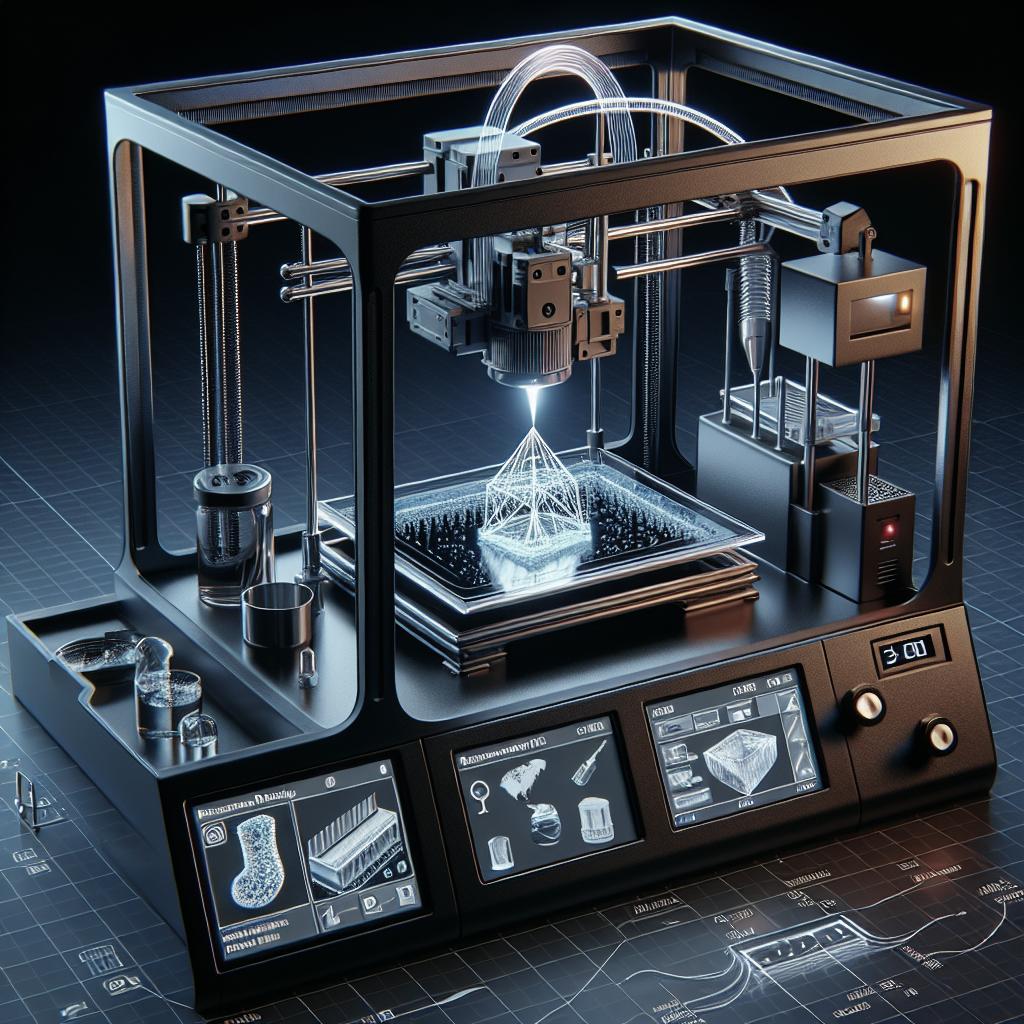
Ceramic 3D printing, unlike traditional methods, uses advanced technology to create intricate designs by layering ceramic material. Most commonly, this process is realized through stereolithography (SLA) or binder jetting. SLA involves using a light source to cure a liquid ceramic material layer by layer, while binder jetting deposits a liquid binding agent onto layers of ceramic powder. One of the critical aspects of ceramic 3D printing is its ability to handle complex geometries that would be nearly impossible to create with traditional techniques. The process requires post-processing steps like firing in a kiln to achieve the final, solid ceramic piece. Understanding these steps is essential to make the most out of your ceramic 3D printer.
Applications of Ceramic 3D Printing
Ceramic 3D printing isn’t just a technological marvel—it’s transformed multiple industries by enabling the creation of tailored, high-quality ceramic items. From delicate art pieces to robust industrial components, the versatility of ceramic 3D printing is truly astounding. Below, we explore specific applications to provide a clear picture of how this innovative technology is revolutionizing various fields. Whether your interest lies in creating intricate designs or functional objects, knowing the scope of ceramic 3D printing will help you utilize its full potential.
1. Artistic Creations
Artists have found a new medium in ceramic 3D printing, allowing them to push the boundaries of creativity. The technology enables the fabrication of complex, delicate shapes that traditional pottery methods struggle to achieve. Artists can produce intricate sculptures, unique jewelry, or custom designs with unprecedented precision. Furthermore, the freedom to experiment with geometries and textures opens up a new realm of artistic expression. Ceramic 3D printing offers artists the chance to combine digital design with traditional pottery’s tactile beauty, resulting in unique, innovative art forms.
2. Kitchenware
Ceramic kitchenware benefits significantly from 3D printing, offering custom-designed cookware, dinnerware, and utensils. Users can create personalized ceramics that match their specific aesthetics and functional requirements. The ability to tweak designs digitally allows for optimized shapes that enhance usability and comfort. Additionally, 3D printing ensures uniformity in batches, which is crucial for commercial kitchenware production. The flexibility in design and manufacturing provided by ceramic 3D printing meets both individual and business demands for beautifully customized, practical kitchen items.
3. Industrial Parts
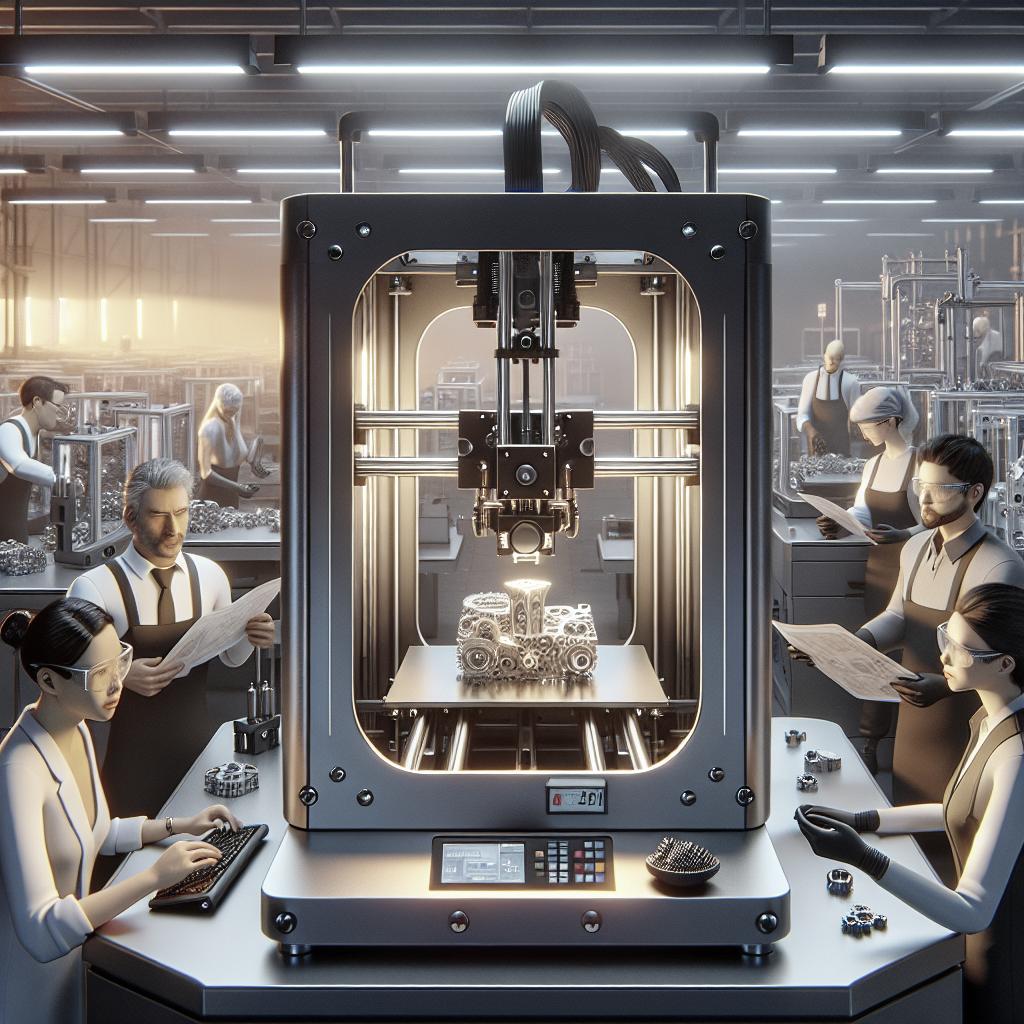
In the industrial sector, ceramic 3D printing is employed to create high-performance components that withstand extreme conditions. Ceramic materials exhibit exceptional properties like high thermal resistance, electrical insulation, and bio-compatibility, making them ideal for various demanding applications. For industries such as aerospace, automotive, and electronics, ceramic 3D printing offers the precision and material properties necessary to produce parts that handle extreme environments and high stress. This technology reduces the cost and complexity of manufacturing specialized components.
4. Medical Implants
In the medical field, ceramic 3D printing has transformative potential. The technology allows for custom-made implants and prosthetics that perfectly match a patient’s anatomy, improving comfort and functionality. Ceramics are also biocompatible, meaning they integrate well with human tissue, making them suitable for long-term medical use. Moreover, 3D printing facilitates rapid prototyping and customization of medical devices, significantly shortening the development cycle. This adaptability ensures that medical professionals have better tools and patients receive more effective treatments tailored to their needs.
Design Tips for Ceramic 3D Printing
To successfully create ceramic pieces with 3D printing, understanding specific design principles is essential. Start by ensuring your design includes appropriate wall thicknesses to prevent cracking during firing. Typically, walls should be at least 3mm thick for stability. In addition, consider incorporating support structures into your design to maintain shape integrity during printing and drying. Smooth transitions between surfaces will minimize stress points, reducing the risk of fractures. Using rounded corners instead of sharp angles can significantly enhance the durability of your printed ceramic items.
Table: Summary of Design Tips
| Design Aspect | Recommendation |
|---|---|
| Wall Thickness | Minimum 3mm |
| Support Structures | Incorporate where necessary |
| Surface Transitions | Smooth, rounded corners |
The Potential of Ceramic 3D Printing
Looking ahead, ceramic 3D printing continues to evolve, promising even more innovative applications across various sectors. Technological advancements are likely to yield printers capable of faster speeds, higher precision, and improved material properties, expanding the possibilities for artists, engineers, and medical professionals alike. As research progresses, we can anticipate newer, more efficient ceramic materials and refined printing techniques that push the boundaries of what is currently possible. The potential for personalization and bespoke manufacturing opens doors to innovative design and production philosophies, making ceramic 3D printing a cornerstone of future manufacturing.
FAQ
How does ceramic 3D printing work?
Ceramic 3D printing typically employs stereolithography (SLA) or binder jetting, layering material to form designs, followed by post-processing such as firing in a kiln for final solidity.
What are the applications of ceramic 3D printing?
Applications range from artistic creations and custom kitchenware to industrial parts and medical implants, leveraging the technology’s ability to create complex and high-performance ceramic items.
What materials can be used for ceramic 3D printing?
Various ceramic materials, including clay, alumina, zirconia, and silica, are used, chosen based on the required properties for different applications.
What are some design tips for ceramic 3D printing?
Ensure wall thickness of at least 3mm, incorporate support structures where needed, and design with smooth transitions and rounded corners to minimize stress points and fractures.
What is the potential of ceramic 3D printing?
The future of ceramic 3D printing holds significant promise, with advancements likely to bring faster, more precise printers and improved materials, broadening its application and efficiency.
Source Links
– [Comprehensive Guide to Ceramic 3D Printing](http://example.com/ceramic3dprinting) – [Innovations in 3D Ceramic Printing](http://example.com/innovations3d) – [Medical Applications of Ceramic 3D Printing](http://example.com/medicalceramic3d)
Complete Ceramic 3D Printer Tutorial For Beginners
Dive into our easy-to-follow Ceramic 3D Printer guide! Learn how to create your own unique ceramic pieces. Get started…
“`