<>
“`
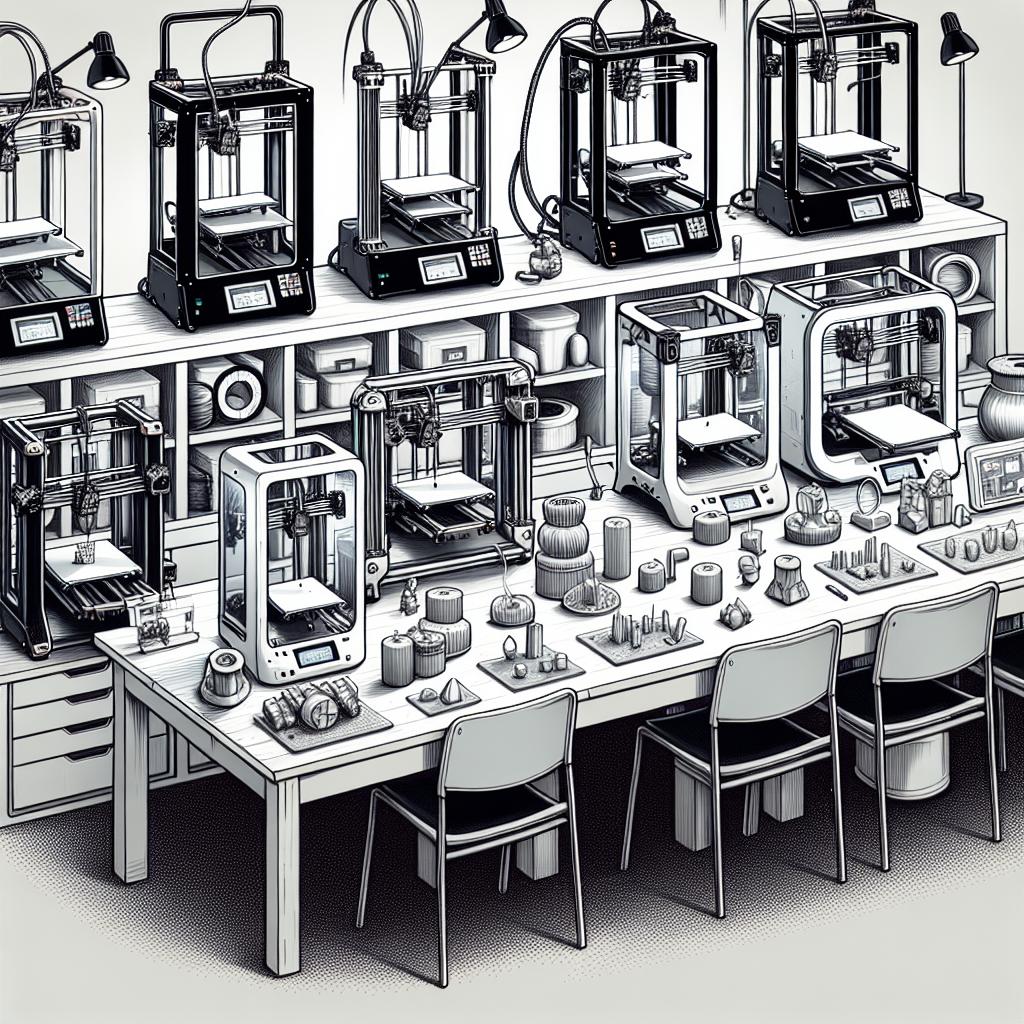
Scaling Up 3D Printing Production
3D printing, also known as additive manufacturing, has revolutionized the production processes across various industries. From rapid prototyping to end-use parts, the scalability potential of 3D printing is immense. However, successfully scaling up 3D printing from a small lab setup to a full-scale production operation comes with its own set of challenges. This blog post aims to guide you through the essential steps and considerations for scaling up 3D printing production. We’ll cover areas such as infrastructure, workforce, quality control, and supply chain management, ensuring you gain a comprehensive understanding to facilitate your production scale-up.
Rate this article
As an aspiring 3D printing entrepreneur or an existing manufacturer looking to integrate 3D printing technology, your feedback is invaluable. Have you encountered challenges in scaling up your 3D printing operations? How effective are the current strategies you employ? Rate this article to help us understand how useful this guide is for your needs. Your input will help us fine-tune future content to better serve our audience of innovators and engineers.
Thanks for your feedback
We appreciate your engagement with our article. Each piece of feedback helps us tailor our content to be more relevant and impactful. Our goal is to provide practical, actionable advice that can help you succeed in your scaling endeavors. Thank you for sharing your experience and insights with us.
Tell us more
Are there specific areas within 3D printing production that you find particularly challenging or fascinating? Perhaps you have insights or strategies that have worked well for your company that you’d like to share. We’re always eager to hear from practitioners and experts in the field. Tell us more about your experiences, and let’s create a community of knowledge-sharing and innovation.
More articles on 3D Printing
If you found this article useful, you might be interested in our other content on 3D printing topics. From material innovations and software advancements to case studies of successful 3D printing applications, our blog is a treasure trove of information. Delve deeper into our archive to uncover more tips and insights to enhance your 3D printing expertise.
Are you sure you want to delete your contribution?
We value every piece of feedback and contribution our readers make. Confirming the deletion of your input ensures that we maintain the integrity and utility of shared knowledge. If you’re sure you want to delete your contribution, please consider if it might be useful to someone else before making your decision.
Are you sure you want to delete your reply?
Replies often spark further discussion and bring different perspectives to light. Deleting a reply might remove valuable context for future readers who might benefit from your insights. If you’re certain you wish to delete it, ensure that it’s the best course of action for the community as a whole.
White Paper: Why Additive, Why Now?
To get a more in-depth understanding of why now is the perfect time to invest in additive manufacturing, download our white paper. We delve into market trends, technology advancements, and strategic considerations that make 3D printing an essential component of modern manufacturing. Learn about how companies are leveraging this technology to gain a competitive edge.
Never miss an article
Stay updated with the latest trends and innovations in 3D printing by subscribing to our newsletter. Never miss an article or significant update in the world of additive manufacturing. Our regular updates ensure you’re always at the cutting edge of industry advancements and best practices.
1. Overcoming Initial Challenges
One of the first challenges in scaling up 3D printing is the transition from prototyping to production. This involves recalibrating your printers for volume production while ensuring consistency in output. It’s crucial to identify the right printers and materials that balance cost, speed, and quality.
Another significant hurdle is creating a workflow that supports large-scale production. This means integrating software for better design, preparation, and management of print jobs. Embracing automation in post-processing and quality checks can save time and reduce human error.
2. Choosing the Right Materials
Material selection plays a critical role in the scalability of 3D printing. Different materials can impact print speeds, quality, and post-processing requirements. It’s important to choose materials that are not only compatible with your 3D printers but also fulfill the specific functional and aesthetic requirements of your products.
In addition, exploring materials with faster curing times or those that require less energy can contribute to more efficient production cycles. Researching and testing new materials can also open up new markets and applications for your products.
3. Investing in the Right Technology
Investing in advanced 3D printing technologies can significantly impact your ability to scale up. High-speed printers and those with larger build volumes can increase batch production, while printers with multiple print heads or higher precision can ensure product consistency.
Explore the latest in 3D printing software as well. Technologies that offer integrated solutions for design, simulation, and printing can streamline your operations and reduce the turnaround time for production runs.
4. Quality Control and Assurance
Maintaining quality consistency is critical in large-scale 3D printing. Implementing rigorous quality checks at various stages of the printing process can help you identify defects early. Automated inspection systems can be particularly useful in catching errors that manual checks might miss.
Standardizing your processes and maintaining comprehensive documentation will also aid in quality assurance. Developing a robust quality management system can give you and your customers confidence in your production capabilities.
5. Workforce Development
Scaling up 3D printing also involves developing a skilled workforce trained in both the technical and operational aspects of additive manufacturing. Providing continuous training and upskilling opportunities will ensure your team is adept at handling advanced technologies and can adapt to evolving production demands.
Encouraging cross-functional collaboration can foster innovation and efficiency. Your workforce should be capable of troubleshooting issues on the fly, optimizing workflows, and ensuring the seamless integration of new technologies.
6. Supply Chain Considerations
Securing a reliable supply chain is crucial when scaling up production. Ensure that your suppliers can meet your increased material demands without compromising on quality or lead times. Building strong relationships with multiple suppliers can also provide you with flexibility and backup options.
Consider employing digital inventory management systems to keep track of material usage and forecast future needs. This can help you avoid delays caused by material shortages and optimize your overall production planning.
7. Market Penetration and Customer Engagement
As you scale up, maintaining strong customer relationships becomes even more vital. Effective communication channels and responsive customer service can help address concerns promptly and build trust in your brand. Utilize customer feedback to continuously improve your products and services.
Extending your market reach through strategic marketing efforts and collaborations with industry influencers can also facilitate growth. Leveraging social media platforms and digital marketing can help you tap into new customer segments and increase brand visibility.
| Aspect | Key Takeaways |
|---|---|
| Initial Challenges | Transition from prototyping to production, integrate automation and software solutions |
| Material Selection | Choose compatible, efficient materials, explore new options for better performance |
| Investment | Invest in advanced technology and software for efficiency and consistency |
| Quality Control | Implement rigorous quality checks, standardize processes, and document meticulously |
| Workforce | Develop skilled workforce, provide ongoing training, encourage cross-functional collaboration |
| Supply Chain | Secure reliable suppliers, use digital inventory management, plan for material needs |
| Market Penetration | Maintain customer relationships, utilize feedback, expand through strategic marketing |
“`